Fasting Time: How to Choose Windows That Actually Fit Your Day
Learn how fasting time works, which windows suit weight loss and energy, and how to pick ideal fasting times you can sustain—plus smart timer tracking tips.
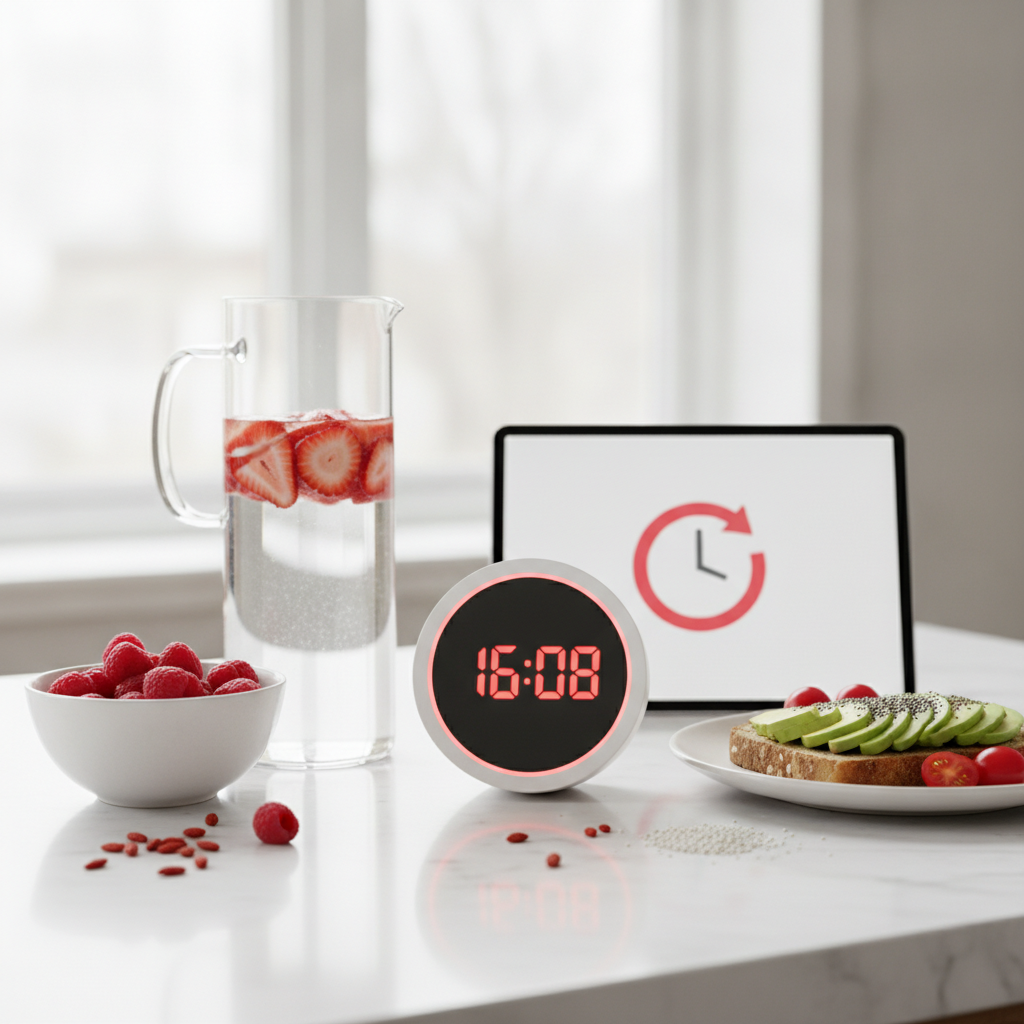
Fasting time is not a single magic number. It is the relationship between when you stop eating, how long you stay fasted, and when you intentionally reopen food—filtered through sleep, work, training, and social life. People search for the best fasting times hoping for a universal clock. What they need instead is a clear method for choosing a fasting time that produces metabolic benefit without wrecking consistency.
This guide treats fasting time as a design problem. You will learn what different durations actually change in the body, how circadian biology influences the best time for fasting, which windows tend to support weight loss, and how to use a fasting timer app so your ideal fasting time becomes automatic instead of aspirational.
What Fasting Time Really Means
In everyday language, fasting time usually refers to one of three ideas: how long you fast each day, which clock hours those hours occupy, or the cumulative fasting experience across a week. Confusing those three ideas is why so many protocols fail.
Duration answers questions like twelve, fourteen, sixteen, or eighteen hours. Clock placement answers whether you eat from noon to eight, ten to six, or one to nine. Weekly pattern answers whether you fast the same way every day or alternate easier and harder days. Intermediate fasting times—the practical windows most people adopt—usually land between fourteen and eighteen hours of daily fasting, with the overnight period forming the backbone.
An ideal fasting time for you is the shortest window that still meets your goal and the longest window you can keep without constant negotiation. That dual constraint matters. A twenty-hour fast looks impressive on social media and still fails if you abandon it every Friday. A fourteen-hour fast that you complete six days a week for six months often outperforms sporadic intensity.
Fasting times to lose weight tend to work when they create a natural calorie reduction and improve insulin dynamics without triggering binge compensation. The fasting time itself does not burn fat by brand name. It creates conditions where appetite regulation, meal quality, and energy balance can improve.
How Long Should a Fast Last?
Different fasting times produce different effects. Matching duration to goal prevents both under-dosing and unnecessary suffering.
Twelve to Fourteen Hours
Twelve to fourteen hours is primarily a boundary-setting fasting time. Most adults already sleep seven to nine hours. Extending a overnight stop of food into a clean fast after dinner or before breakfast improves digestion, reduces late-night snacking, and starts gentle metabolic pressure. This range is ideal for beginners, people with high stress, and anyone rebuilding eating structure after chaotic eating patterns.
Results at this duration are often modest for rapid fat loss but meaningful for habit formation. If your current pattern is grazing until midnight and then eating again at seven, moving to a fourteen-hour fasting time may be the highest-return change available.
Sixteen Hours
Sixteen hours is the most common intermediate fasting time because it is long enough to reduce opportunistic snacking and short enough to fit two solid meals plus a flexible snack. For many adults, noon-to-eight or eleven-to-seven windows deliver this duration without social collapse.
Research on time-restricted eating frequently uses protocols in this neighborhood. People seeking fasting times to lose weight often land here because the compressed eating window reduces late calories and overnight insulin exposure while preserving enough eating hours for protein and micronutrients.
Eighteen to Twenty Hours
Longer daily fasting times increase metabolic intensity and reduce meal frequency. Hunger becomes more noticeable for some people and virtually disappears for others after adaptation. These windows suit experienced fasters with flexible schedules. They are not the default best time for fasting if you train hard early, share late family dinners, or struggle with food preoccupation.
Twenty-Four Hours and Beyond
A full-day fast is a distinct tool, not a daily fasting time. Occasional twenty-four-hour fasts can deepen metabolic rest and simplify food decisions for a day. They require planning for electrolytes, hydration, activity, and refeeding. Use them deliberately rather than as your permanent best fasting times.
Circadian Biology and the Best Time for Fasting
Clock placement matters almost as much as duration. Human metabolism is not flat across twenty-four hours. Insulin sensitivity tends to be better earlier in the day for many people. Melatonin rises later as darkness approaches, and eating late can collide with circadian cues that prefer digestion earlier.
That does not mean every person must eat breakfast at sunrise. It does mean late-night feeding is often the weakest choice when other variables are equal. If two fasting times both deliver sixteen hours, the window that ends by early evening usually outperforms the window that keeps dinner past ten for metabolic markers and sleep quality.
Practical circadian-friendly fasting times:
- Finish eating two to three hours before bed when possible.
- Keep most calories earlier in the eating window if hunger allows.
- Align fasting overnight so sleep hours count toward fasting time automatically.
- Avoid ultra-early workouts on empty if performance crashes; shift the eating window rather than forcing a heroic protocol.
The best fasting times respect biology and logistics together. A chronobiology-perfect window that conflicts with your only social meal of the day will not survive a month.
Choosing Ideal Fasting Times for Your Goals
Goal determines priority. Use the following decision framework.
For Weight Loss
Prioritize fasting times that cut low-value evening eating and reduce total daily energy intake without rebound bingeing. Many people succeed with fourteen to sixteen hours overnight-centered fasting. Track outcomes for four weeks: weight trend, waist feel, hunger quality, and adherence days. If weight stalls but adherence is perfect, refine food quality inside the window before extending fasting time further.
Fasting times to lose weight fail when the eating window becomes an unrestricted feast. Protein, fiber, and volume foods protect the deficit your fasting time creates.
For Energy and Focus
Some people feel sharper in a morning fast and prefer delaying the first meal. Others feel flat and focus better with an earlier eating start and an earlier stop. Test for two weeks each. Ideal fasting time for cognitive work is the one after which you can execute deep work without obsessive food planning.
For Training
Strength sessions and high-intensity intervals often feel better fueled. Place training near the end of the fast only if performance stays solid, or shift so a meal precedes hard work. Zone-two walking usually tolerates fasting well. Ideal fasting times for athletes are usually slightly shorter and more flexible than sedentary protocols.
For Metabolic Health
Consistency outweighs extremity. A sixteen-hour fasting time maintained five to six days weekly often improves markers more than occasional twenty-hour days mixed with chaotic weekends. Pair fasting with sleep regularity and reduced ultra-processed food.
Sample Fasting Time Schedules That Work in Real Life
Office Day, Noon-to-Eight
Dinner ends around eight. Fast overnight and morning. Lunch opens the window. Afternoon snack if needed. Dinner closes it. This is one of the best fasting times for standard desk schedules because meetings and mornings stay uncluttered by meal decisions.
Early Riser, Ten-to-Six
Breakfast-leaning window with early dinner. Excellent if evenings are social-risk periods for snacking and you train mid-morning after a light meal near ten.
Parent Schedule, One-to-Nine
Later end accommodates family dinner. Protect the one o’clock start so the fast still reaches sixteen hours. Use a fasting timer app reminder before lunch temptation windows.
Shift Worker Pattern
Anchor fasting time to your sleep block rather than the solar clock. Consistency relative to your personal day matters more than matching civilian meal times.
Rotate carefully. Changing fasting times daily confuses appetite. Hold a candidate schedule for at least fourteen days before judging it.
Tracking Fasting Time Without Making It a Hobby
Guessing start and stop times is how people quietly shorten fasts. A fasting time app or fasting timer app removes that ambiguity. Start the timer when your last meal ends. Stop it when you begin your first caloric intake. Review weekly adherence instead of obsessing over single days.
Easy Fast is built for this exact job. The Easy Fast app lets you start and stop fasting time with one tap, set reminders for window edges, and review streak and history charts. Your fasting logs stay on your device—no analytics tracking. The only optional cloud step is food photo analysis if you choose to use OpenAI or Gemini for that feature.
A fasting timer app is not motivation theater. It is a boundary tool. When the timer is running, the decision is already made. That reduces the micro-negotiations that break best fasting times in the late afternoon.
Common Fasting Time Mistakes
Choosing duration before lifestyle. An eighteen-hour target looks optimal until your only shared meal is at eight-thirty. Design around non-negotiables first.
Sliding the window every day. Occasional flexibility is fine. Constant sliding prevents habit formation and weakens hunger predictability.
Confusing hunger with dehydration or caffeine withdrawal. Drink water. Keep coffee black if you use it during the fast. Headaches in week one often resolve with fluids and sleep, not with abandoning a sound fasting time.
Breaking fasts with ultra-processed sugar bombs. The first meal sets the next fasting period’s hunger tone. Protein, vegetables, and balanced carbs stabilize the return to eating.
Extending forever when progress slows. Longer is not always better. Review food, sleep, stress, and step count before stacking more fasting hours.
Ignoring medical context. Diabetes medications, pregnancy, history of disordered eating, underweight status, and certain endocrine conditions change the risk profile. Get clinical guidance when relevant.
How to Transition Into a New Fasting Time
Jumping from grazing to eighteen hours overnight is unnecessary. Use progressive fasting times.
Week one: twelve hours clean overnight. Week two: fourteen hours. Week three: sixteen hours if energy and mood remain stable. Week four: hold and refine food quality.
During transitions, keep workouts moderate, sleep protected, and sodium adequate if you feel lightheaded. The ideal fasting time is the one your nervous system stops fighting after adaptation.
If weekends currently destroy weekday consistency, choose a shared fasting time that works both on Monday and Saturday rather than a strict weekday protocol you abandon. Consistency across the week beats perfect weekdays and chaotic weekends.
Putting Fasting Time Into a Sustainable System
Treat fasting as one pillar beside protein targets, walking, resistance training, and sleep. Fasting time multiplies good nutrition; it does not replace it. Review monthly: adherence days, average fasting duration, how clothes fit, energy, and any labs you track with a clinician.
When life changes—travel, holidays, new job—renegotiate fasting time deliberately rather than white-knuckling an obsolete schedule. Temporary twelve-hour maintenance is smarter than a failed sixteen-hour struggle followed by guilt. Then return to your target window.
If you want a clean operational loop, define three rules: a default fasting duration, a latest allowed eating stop, and a tracking method. Those three rules convert vague intentions about best fasting times into a system you can execute on busy Tuesdays.
Frequently Asked Questions
What is the best fasting time for beginners?
Most beginners do best with a twelve- to fourteen-hour overnight fasting time for one to two weeks, then progress toward sixteen hours if recovery, mood, and hunger remain manageable. The best fasting time is the longest duration you can keep consistently, not the longest duration you can survive once.
What are the best fasting times to lose weight?
Fasting times to lose weight commonly fall in the fourteen- to sixteen-hour range with an earlier evening cutoff, because that pattern reduces late-night calories and improves adherence. Results still depend on what you eat in the window. Combine fasting with protein-forward meals and a mild calorie deficit rather than expecting fasting time alone to force fat loss.
Is there an ideal fasting time of day?
For many people, an ideal fasting time of day places most of the fast overnight and finishes eating earlier in the evening. That alignment often supports sleep and circadian insulin sensitivity. Still, a noon-to-eight window can outperform a forced early schedule if your life makes early dining impossible.
How do I know my fasting time is working?
Look at four-week trends: adherence, hunger quality, energy, waist or weight trend, and training performance. Occasional hunger in the first week is normal. Persistent fatigue, mood collapse, sleep disruption, or obsessive food thoughts are signals to shorten fasting time or seek professional support.
Can I use a fasting timer app every day?
Yes. A fasting timer app or fasting time app improves accuracy and reduces decision fatigue. Use Easy Fast to log start and stop times, reminders, and history while keeping data on device. Daily tracking is especially useful during the first month while the habit stabilizes.
Do intermediate fasting times work better than extreme ones?
Intermediate fasting times—roughly fourteen to eighteen hours—tend to balance metabolic benefit and lifestyle fit for most adults. Extreme daily durations can work for some experienced practitioners but increase dropout risk. Prefer intermediate consistency over maximal intensity.
Should women use different fasting times than men?
Individual response varies more than simple gender rules. Some women prefer slightly shorter fasting times during high-stress periods or certain cycle phases, especially if sleep, training, or menstrual regularity suffers. Adjust based on symptoms and medical advice rather than copying one universal protocol.
Fasting time becomes powerful when it is chosen with intention and protected with simple tools. Pick a realistic duration, place it where your calendar will tolerate it, track it honestly, and judge results over weeks—not hours. When you are ready to stop guessing and start logging clean fasting times on your iPhone, download Easy Fast and make your next window visible, measurable, and sustainable.