Fasting While Sick: When to Pause, When to Eat, Safety First
Learn whether fasting while sick is wise, when to stop intermittent fasting during illness, hydration rules, and recovery steps with clear medical cautions.
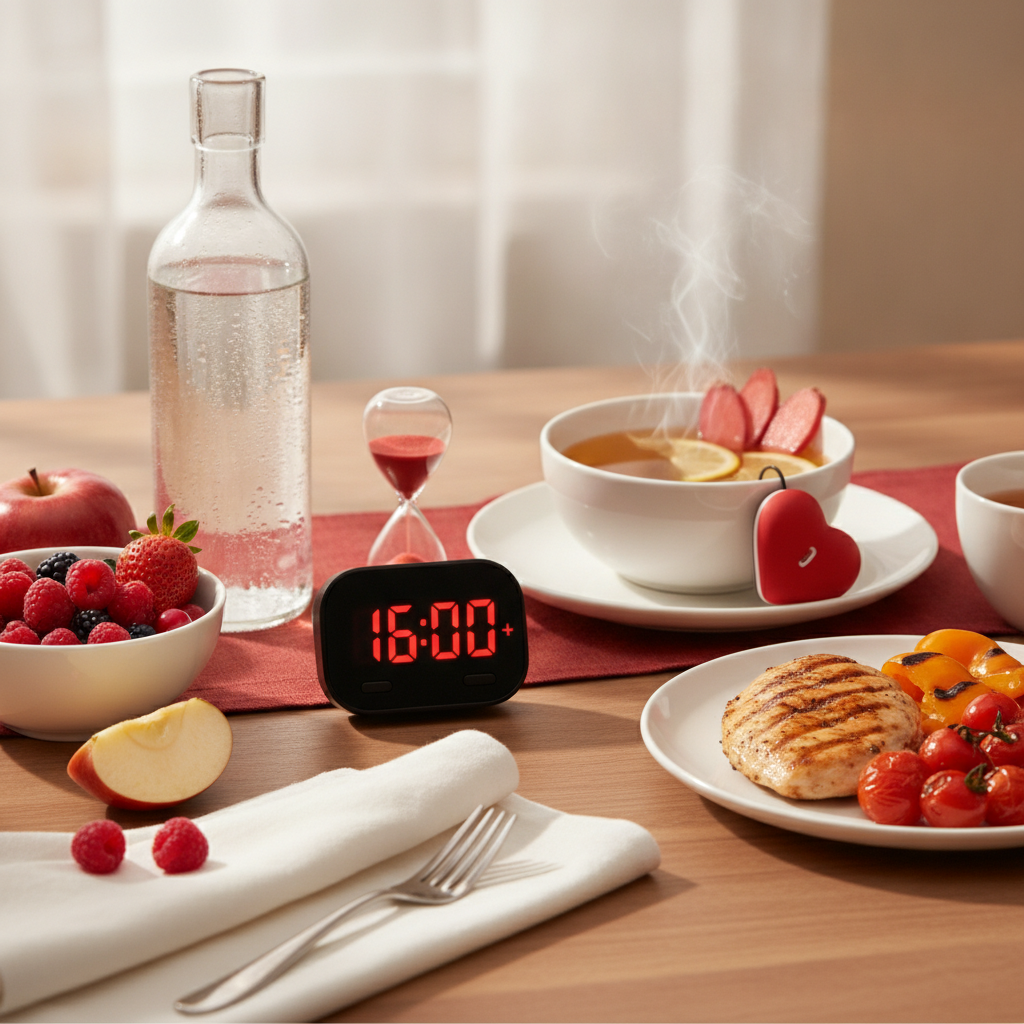
Fasting while sick is one of the most common intermittent fasting dilemmas. You finally have a rhythm with 16:8, then a cold, stomach bug, flu-like illness, or fever arrives and you wonder whether sticking to the timer shows discipline or recklessness. The short safety-first answer is that illness changes priorities. Recovery, hydration, medication timing, and adequate energy often matter more than protecting a streak.
This guide explains how different kinds of sickness interact with fasting, which symptoms mean you should eat on demand, how to return to intermittent fasting after recovery, and why medical caution beats internet toughness. It is educational information, not a diagnosis or a treatment plan. If you are severely ill, immunocompromised, managing chronic disease, pregnant, or unsure, contact a clinician or urgent care rather than following a blog.
Why Illness Changes the Fasting Equation
Intermittent fasting for healthy days is a voluntary timing structure. Infection, fever, and gastrointestinal illness are involuntary metabolic stressors. Your body may need more frequent fluids with electrolytes, easier carbohydrates, and medication taken with food. Forcing a long fasting window during those needs can worsen dehydration, hypoglycemia risk, dizziness, and delayed recovery.
Appetite loss during acute illness sometimes looks like “natural fasting.” That spontaneous reduction differs from intentionally refusing food or fluids according to an app timer. If appetite is absent but water intake is also poor, the danger is dehydration, not missed autophagy opportunities. Treat reduced appetite as a symptom to monitor, not as proof you should extend the fast.
Immune response itself costs energy. Sleep and nutrient availability support that response. Protein intake across the day can matter for recovery, especially after febrile illnesses. People already in aggressive deficits or multi-day fasts have less buffer when sickness hits.
There is also medication reality. Antibiotics, antivirals, pain relievers, or chronic meds may require food to protect the stomach or stabilize absorption. A rigid fasting schedule that conflicts with pharmacy instructions is unsafe. Pharmacy labeling wins over fasting ideology every time.
Symptom-Based Guidance for Common Scenarios
Mild cold with normal appetite, no fever, and good hydration: Some adults continue a gentle schedule such as 12:12 or 14:10 if they feel stable. Shorter fasting windows leave room for warm meals, citrus, soups, and nighttime medicine. This is optional, not required. Eating on a regular home schedule is also completely acceptable.
Fever, influenza-like illness, significant fatigue, or body aches: Prioritize rest, fluids, and energy. Pause intermittent fasting. Frequent smaller meals or on-demand eating is often more appropriate until fever resolves and strength returns. Fever increases fluid losses. Long dry periods are a poor match.
Gastrointestinal illness with vomiting or diarrhea: Focus on oral rehydration as advised by medical guidance. Fasting protocols are irrelevant until you can keep fluids down. Seek care for blood in stool, severe dehydration signs, persistent vomiting, or high-risk patient status. Do not attempt prolonged fasting to “rest the gut” based on social media tips.
Sore throat that makes chewing difficult: Soft, cool, or warm nutrient-dense foods and adequate calories matter more than window aesthetics. Protein shakes, yogurt, eggs, and soups can help if tolerated.
Migraine or severe headache days: Low food intake can be a trigger for some people. If fasting worsens migraines for you historically, break the fast earlier and evaluate triggers with a clinician.
These scenarios are examples, not exhaustive medical protocols. Personal risk differs by age, BMI, diabetes status, heart disease, and medications.
Hydration, Electrolytes, and What to Eat When You Pause
When you pause fasting while sick, still be intentional. Prefer water, broths, oral rehydration solutions if appropriate, and clinician-approved electrolyte strategies—especially with fever or GI losses. Avoid relying on sugary sodas as your only fluid plan.
Easy foods often include toast, rice, bananas, yogurt, eggs, soups, and tender proteins once appetite returns. Spicy heavy meals may not feel good mid-illness. Returning protein gradually supports recovery. Micronutrient-dense foods help after the acute phase more than megadose supplement stacking without advice.
Blood sugar awareness matters for people with diabetes. Illness can raise or unpredictably shift glucose, and medications may need sick-day rules from your diabetes care team. Do not invent fasting-plus-illness protocols alone if you take insulin or sulfonylureas.
Alcohol is a bad idea while sick regardless of fasting. It worsens sleep and dehydration. Black coffee during illness can aggravate reflux or anxiety; switch to water and herbal options if needed.
Streak Anxiety, Apps, and Permission to Pause
Many people fear breaking a fasting streak more than they fear prolonging illness by a day. That is the wrong trade. Streaks are motivational tools, not medical scores. A mature practice includes planned and unplanned pauses. The correct identity is someone who takes care of their body, not someone who never eats outside an eight-hour window.
If you use a fasting tracker, note the illness pause and move on. Easy Fast keeps history on your device without analytics theater around failed streaks. There is no social feed demanding explanations. Download or reopen Easy Fast from the App Store when you are ready to resume, not as a guilt device while febrile.
Optional food photo features in Easy Fast remain irrelevant during acute illness. Hydration and rest dominate. When appetite normalizes, you can return to ordinary logging. Core fasting data stays local; only explicit opt-in meal photo analysis would contact OpenAI or Gemini.
How to Restart Intermittent Fasting After Illness
Wait until fever has resolved, hydration is normal, energy allows daily activities, and medications no longer require disruptive food timing. Restart with a wider window than your pre-illness schedule for three to seven days. Example: if you were on 16:8, use 12:12 or 14:10 first. This soft landing acknowledges residual fatigue.
Emphasize protein and easy vegetables when eating resumes. Keep walks gentle. Delay hard training until dizziness and weakness are gone. If you lost weight rapidly while sick, that was often water and glycogen, not a fat-loss victory. Rebuild consistency before pursuing deficits again.
If illness occurs monthly or triggers with fasting, discuss immune health, sleep, iron status, training load, or other causes with a clinician. Repeated collapses may indicate your baseline deficit is too deep, your recovery is poor, or something clinical needs attention beyond timing.
Travel plus illness plus fasting is a notorious overreach combination. When two stressors appear, remove the voluntary one. That is adult decision-making, not weakness.
Special Populations and Hard Medical Red Flags
Children and teens should not be placed on intermittent fasting experiments during illness—or generally without specialist guidance. Pregnant and breastfeeding people need individualized medical nutrition, not sickness fasting challenges. Older adults can dehydrate faster and may present atypical symptoms; early clinical contact is wise.
Seek urgent medical care for breathing difficulty, chest pain, confusion, persistent high fever, inability to keep fluids down, signs of severe dehydration, stiff neck, rash with fever, or symptoms that rapidly worsen. Fasting status does not replace emergency evaluation.
People with eating disorders can misuse illness as justification for restriction. If that pattern resonates, involve a professional support team and treat intermittent fasting apps as optional only under therapeutic guidance.
Medical disclaimer again for clarity: this article cannot tell you personally whether fasting while sick is safe. When uncertain, eat, hydrate, rest, and call a clinician. Habit apps will still be there after you recover.
Training, Work, and Social Life While Ill
Sick days are not opportunities to prove toughness through fasted workouts. Endurance and strength sessions raise stress hormones and fluid losses. If you cannot perform normal work duties comfortably, you should not be training hard in a fasting window. Walk gently only if it helps congestion and does not worsen dizziness. Return to structured exercise after continuous days of normal energy.
Remote work can tempt people to “stay productive” while underfueling. Set a kettle nearby, keep broth on a timer, and eat small portions even without classic hunger. Cognitive work quality usually improves with hydration and some glucose availability during acute illness. This is temporary strategy, not a permanent abandonment of intermittent fasting values.
Family care adds another layer. Parents who fast while simultaneously caring for sick children often underestimate their own depletion. If you are the household adult on duty, keep yourself fed enough to provide safe care. Your dependents need a functioning caregiver more than they need you to protect a sixteen-hour streak.
Travel illness is uniquely dehydrating because airports, recycled air, and schedule chaos intervene. Drop fasting until you arrive, sleep, and drink consistently. Restart at home after recovery rather than stacking stressors in a hotel room.
Building a Written Sick-Day Fasting Policy
Put rules in notes before you get sick, because feverish brains make proud decisions. Example policy: fever over a chosen threshold equals automatic pause; vomiting equals automatic pause; physician-prescribed meds with food override the app; restart only after twenty-four hours without fever and with normal fluid intake; first week back uses 12:12 or 14:10.
Share the policy with a partner if helpful so they can remind you when ego appears. Capture the pause in Easy Fast without deleting your whole history. Continuity of identity remains: you are still a person who fasts on healthy days. Sick-day eating is part of that identity, not a betrayal of it.
After recovery, schedule a soft week rather than a punishment week. Do not compensate illness intake with Extreme Extended Fasting. Compensation thinking is how disordered patterns grow. Steady routines rebuild faster than dramatic penance.
Cold Versus Flu Versus COVID-Era Caution Without Panic
Labeling illnesses at home is imperfect. What matters more than the viral brand name is severity and trajectory. Congestion alone differs from hypoxia. Fatigue alone differs from inability to stand. Use local public health and clinician guidance for testing and isolation decisions when relevant. Fasting choices should follow severity: the worse you feel, the more you should pause time-restricted eating and emphasize nourishment plus fluids.
Lingering post-viral fatigue is another pause signal. If you are technically afebrile but wiped out for days, forcing 18:6 to “get back on track” often delays functional recovery. Treat energy reconstruction as athletic rehabilitation: gradual load, adequate protein, patient pacing.
Allergy flares can mimic colds. If antihistamines or other meds require food, honor that. Do not white-knuckle an empty stomach because the calendar says you are still inside a fasting window.
Frequently Asked Questions
Should I keep intermittent fasting while sick with a cold?
If symptoms are mild, appetite is normal, and hydration is solid, a gentler window may be tolerable for some adults. It is never mandatory. Choosing regular meals and rest is a valid recovery strategy and often the wiser default.
Does fasting boost the immune system during infection?
Claims that fasting automatically supercharges immunity during active infection are oversimplified. Illness already stresses the body. Adequate energy, protein, sleep, and fluids are higher priorities than extending a fast for theoretical immune gains.
Can I fast with a fever?
Generally, pause intermittent fasting during significant fever unless a clinician advises otherwise. Fever increases fluid needs and fatigue. Eat and drink according to tolerance and medical guidance.
What about fasting while sick with stomach flu?
Focus on rehydration and medical red-flag monitoring. Timers are irrelevant until vomiting and diarrhea settle and fluids stay down. Resume structured eating gradually.
How do I protect my fasting habit without forcing through illness?
Define a written rule: if feverish, vomiting, or dehydrated, pause the schedule automatically. Track the pause without shame. Restart with a wider window. Habits that include pause rules survive longer than rigid streaks.
How can Easy Fast help after I recover?
Use Easy Fast to rebuild timing gently with one-tap tracking and on-device history. Privacy-first design means no analytics performance pressure around your sick days. Resume when ready via the App Store listing.
When is fasting while sick definitely a bad idea?
If you have diabetes on risk-associated medication, are pregnant, have an eating disorder history, cannot hydrate, are severely weak, or have been advised by a clinician to maintain regular intake, do not fast through illness.
Feeling sick is biological feedback. Honor it. Pause the timer, drink fluids, take medications correctly, rest hard, and return to intermittent fasting with a soft restart when health is back. That is the disciplined approach—safety first, streak second.