Intermittent Fast 16:8: A Daily Protocol You Can Actually Keep
Master intermittent fast 16 8 fasting: set your window, plan meals, try keto pairings, avoid common mistakes, and track consistency for lasting results.
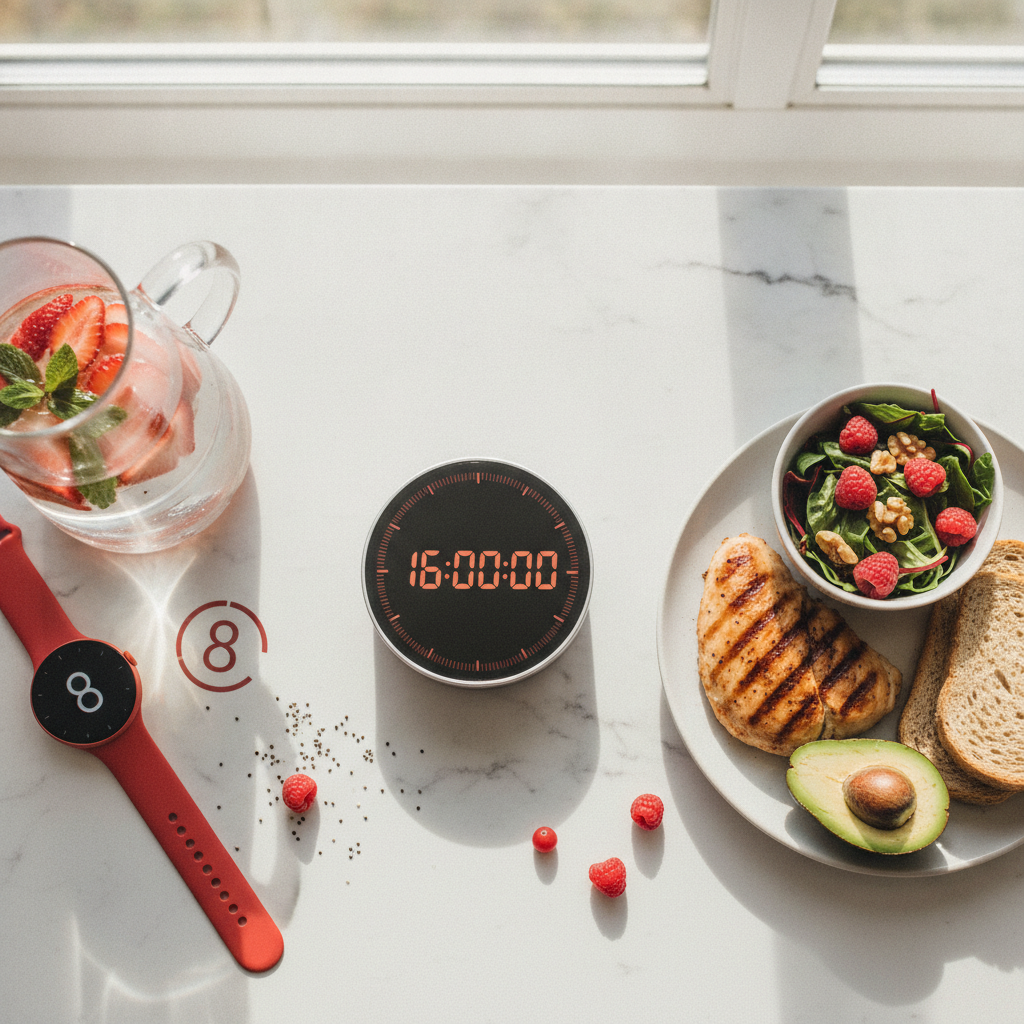
The intermittent fast 16 8 protocol is popular because it is concrete. Sixteen hours without calories. Eight hours to eat. No spreadsheets required to understand the rule. The difficulty is not comprehension—it is execution across ordinary Tuesdays, travel weeks, and evenings when the pantry starts whispering.
This guide treats 16 8 intermittent fast practice as a daily operating system: how to place the window, what intermittent fast meaning includes and excludes, how to combine an intermittent fast keto approach if you choose, and what the best way to intermittent fast looks like when life refuses to be tidy.
Intermittent Fast Meaning for 16:8 Specifically
Intermittent fast meaning, in general, is cycling between periods of eating and fasting on a repeating schedule. For 16:8, that cycle happens every day: a sixteen-hour fasted stretch and an eight-hour fed stretch.
During the fast: water, plain black coffee, and unsweetened tea are the usual non-caloric toolkit. During the eating window: meals that meet your protein, micronutrient, and energy needs. 16:8 does not automatically define macros. You can eat Mediterranean, higher carb, or intermittent fast keto style inside the same clock rules. The timing protocol and the diet template are separate layers.
People often confuse 16:8 with calorie restriction. They interact but are not identical. Many practitioners eat fewer calories because the window removes snacks. Others eat the same calories in fewer hours and lose little weight. If fat loss is the goal, the best way to intermittent fast includes both the clock and intentional meal quality.
Why 16:8 Works for So Many People
Sixteen hours is long enough to suppress random grazing and short enough to include sleep as free fasting progress. An eight-hour window still allows two proper meals and optional flexibility. Compared with OMAD, social life survives. Compared with twelve-hour fasting, metabolic pressure is usually stronger.
Clinical and practical literature on time-restricted eating often uses windows in this neighborhood. Individual results vary, but common reported benefits include simpler food decisions, reduced late-night eating, and improved adherence versus complex diet rules.
16:8 also teaches hunger wave literacy. You learn that mid-morning desire can rise and fall without immediate feeding. That skill transfers to stressful days when emotional cues spike.
Choosing the Best Time to Intermittent Fast
The best time to intermittent fast is the placement that matches your non-negotiables.
Late Window (Noon–8:00 p.m.)
Skip breakfast, eat lunch and dinner. Ideal for office mornings and people with low morning appetite. Harder if you train early at high intensity without adaptation.
Mid Window (10:00 a.m.–6:00 p.m.)
Earlier close supports sleep and circadian preferences for some people. Excellent if evenings are your snack danger zone.
Early Window (8:00 a.m.–4:00 p.m.)
Breakfast and early dinner. Strong for early chronotypes; challenging for late social dinners.
Rotate only with intention. Constantly shifting “best time to intermittent fast” experiments prevent habit formation. Test one window for fourteen days before judging it.
The First Fourteen Days: Adaptation Map
Days 1–3: Habit friction. Headaches possible if caffeine and fluids are poorly managed. Keep responsibilities realistic.
Days 4–7: Hunger becomes more predictable. Afternoon dips may still appear. Walk after meals in the window to improve energy.
Days 8–14: Many people report fewer intrusive food thoughts during the fast. If misery escalates instead, shorten to 14:10 and rebuild.
Track sleep and mood. A protocol that “works” for weight while wrecking sleep is not a win.
What to Eat Inside the Eight Hours
Protein First
Distribute protein across meals—roughly two strong servings if you eat twice. Muscle retention and satiety depend on this more than on fasting folklore.
Plants and Fiber
Vegetables, fruit, legumes as tolerated. Fiber slows the rebound hunger that follows a break-fast of refined starch alone.
Smart Carbohydrates
Choose carbs that match training and preference. Potatoes, rice, oats, fruit, and beans can all fit. Ultra-processed snack carbs usually fight you.
Fats for Satisfaction
Olive oil, nuts, eggs, fatty fish, avocado—enough for flavor and hormones, not as unlimited calorie pours.
Intermittent Fast Keto Variant
An intermittent fast keto approach pairs 16:8 timing with low carbohydrate intake inside the window. Some people love the dual appetite suppression; others feel constrained and rebound. If you try it, monitor energy, training, fiber intake, and sustainability for at least three weeks before declaring victory. Keto pills and “intermittent fast keto pills” marketed online are not required for either protocol and are often a distraction from food basics.
The Best Way to Intermittent Fast Day to Day
- Fix the end of your last meal.
- Start a timer immediately.
- Drink water early in the fast.
- Use coffee strategically, not anxiously.
- Open the window with protein and volume foods.
- Stop eating at the planned close even if you “could” keep going.
- Review weekly adherence.
The best way to intermittent fast is boring consistency. Dramatic cleanses are optional entertainment; daily 16:8 is infrastructure.
Use reminders at both edges of the window. The Easy Fast app starts a 16:8 intermittent fast with one tap, shows elapsed time, and stores history on your device without analytics. Optional OpenAI or Gemini food photo analysis stays opt-in for eating-window meals.
Training While on 16:8
Walking and easy cardio usually tolerate fasted mornings. Heavy lifting often improves when a meal precedes or closely follows the session. Experiment:
- Fasted lifts only if performance stays respectable.
- Otherwise place training inside or at the edge of the eating window.
Hydrate and consider sodium if you feel washed out, especially in heat. Do not stack a violent calorie deficit, personal records in the gym, and a brand-new 16:8 week simultaneously.
Mistakes That Quietly Ruin 16:8
Creamy coffee all morning if insulin rest is your goal. Energy drinks full of sugar labeled as focus tools. Weekend erasure of weekday discipline. Break-fast dessert rituals that spike and crash you into more hunger. Undereating protein then blaming fasting for weakness. Comparing your window to influencers with different jobs, childcare, and budgets.
Also watch “fasting math fraud”: tasting while cooking, kid leftovers, and “bites” that are meals. If it has calories, it counts.
Adjusting Without Quitting
If sixteen hours feels cruel after two honest weeks, use 14:10 for another two weeks. That is still intermittent fasting. Returning later to 16:8 from a place of skills is smarter than performing toughness.
If sixteen is easy and fat loss stalled despite adherence, inspect calories and food quality before jumping to eighteen hours. Length is not the only dial.
Women and high-stress athletes sometimes need more fuel availability. If cycles, sleep, or recovery deteriorate, widen the eating window and seek professional input.
Social Strategy for 16:8
Choose restaurants that serve real meals quickly. Order water first. Decide whether tonight is a shift night or a hold night before appetizers arrive. Communicate briefly; do not recruit the table into a debate.
Alcohol fits poorly with fasting goals: it adds calories, impairs sleep, and lowers restraint. If you drink, keep it inside the window and measure the tradeoff honestly.
A Sample Week Living the Intermittent Fast 16 8 Protocol
Monday–Thursday: Window noon to 8:00 p.m. Lunch is the break-fast: high protein, vegetables, controlled starch. Mid-afternoon optional snack only if truly hungry. Dinner finished by 7:45. Timer starts immediately after the last bite.
Friday: Same window if possible. If a late dinner is planned, shift deliberately to 1:00–9:00 p.m. rather than pretending you will “just have a taste” that becomes a second dinner at eleven.
Saturday: Keep the overnight fast intact even if brunch pushes the open to 1:00 p.m. Prefer shortening to a 15-hour fast over snacking from brunch until midnight.
Sunday: Meal prep proteins and vegetables during the eating window so Monday does not default to delivery pastries. Review the week’s adherence in your tracker without moral scoring—count completed days and note friction points.
This template is the best way to intermittent fast for many office schedules because it reduces novelty. Novelty is the enemy of 16:8. The protocol works when it becomes boring infrastructure.
Digestion, Break-Fast Quality, and Afternoon Energy
How you open the window shapes the rest of the day. A break-fast of sugary cereal or pastry often produces a sharp rise and fall that recreates urgency an hour later. Protein, fiber, and some fat blunt that curve. If you prefer carbohydrates earlier for training, pair them with protein rather than eating them alone.
Digestive comfort varies. Some people feel better with a gentler first meal after sixteen hours—warm foods, slower pace, less extreme volume. Others feel fine with a normal lunch. Experiment for one week each. Bloating after every break-fast may mean you are eating too fast, too large, or too low-fiber relative to your baseline.
Afternoon energy crashes on 16:8 frequently trace to sleep debt, low protein at meal one, dehydration, or huge refined-carb bombs—not to the mere existence of an intermittent fast 16 8 schedule. Fix those levers before abandoning a workable clock.
Measuring Success Beyond the Scale
Track: adherence days, weekly average fasting length, waist trend monthly, training logs, resting energy subjective score, and relationship with food. A successful intermittent fast 16 8 practice leaves you clearer, not more obsessional.
If food anxiety rises, pause protocol identity and address the relationship issues first. Timing tools should serve health, not become a cage.
Travel days deserve a written mini-policy: keep the overnight fast even when time zones scramble lunch, prefer airport protein boxes over grazing every gate snack, and restart your home window the morning after you return rather than declaring the whole month ruined. The intermittent fast meaning that lasts is the one that survives airports, not only quiet Sundays. Pack electrolytes and a water bottle on flights; cabin dehydration amplifies fake hunger and makes every trolley pastry look essential.
Frequently Asked Questions
What is an intermittent fast 16 8 in plain language?
It means you fast for sixteen hours and eat within eight hours each day. For example, stop eating at 8:00 p.m. and eat again at noon. That is a 16 8 intermittent fast.
What is the intermittent fast meaning compared with dieting?
Intermittent fast meaning focuses on when you eat. Traditional dieting focuses on what and how much. You can combine both. Timing alone does not guarantee a calorie deficit.
What is the best way to intermittent fast if I am a beginner?
Start near fourteen hours, set a fixed evening stop time, prioritize protein in the eating window, and use a timer for two weeks. Then move to sixteen hours if you feel stable. That progression is the best way to intermittent fast for most beginners.
What is the best time to intermittent fast during the day?
The best time to intermittent fast is the window you can repeat. Noon-to-eight is common; earlier windows help night snackers. Match training and family dinner before copying a stranger’s clock.
Can I combine intermittent fast keto with 16:8?
Yes. An intermittent fast keto approach uses low-carb meals inside the eight-hour window. It can enhance appetite control for some people and feel restrictive for others. Food quality and medical context still matter; pills are unnecessary for the core method.
Will 16:8 cause muscle loss?
Not inherently, if protein intake is high enough and resistance training continues. Chronic severe deficits are the bigger muscle risk, with or without fasting.
How do I track a 16:8 intermittent fast accurately?
Start a timer at the end of your last meal and stop it at first calories. Easy Fast keeps that log private on your iPhone and can remind you at window boundaries so the protocol stays honest.
Sixteen-eight succeeds when it disappears into your calendar. Pick a window, feed yourself well inside it, track without drama, and give adaptation two weeks before radical changes. When you want a clean intermittent fast 16 8 tracker with private on-device history, get Easy Fast and make the next sixteen hours measurable.