Nutri Align Fasting Salts and Electrolytes: What You Need During Intermittent Fasting
Learn why electrolytes matter during intermittent fasting, how sodium, potassium, and magnesium support your fast, and when fasting salts like Nutri Align can help you feel better without breaking your fast.
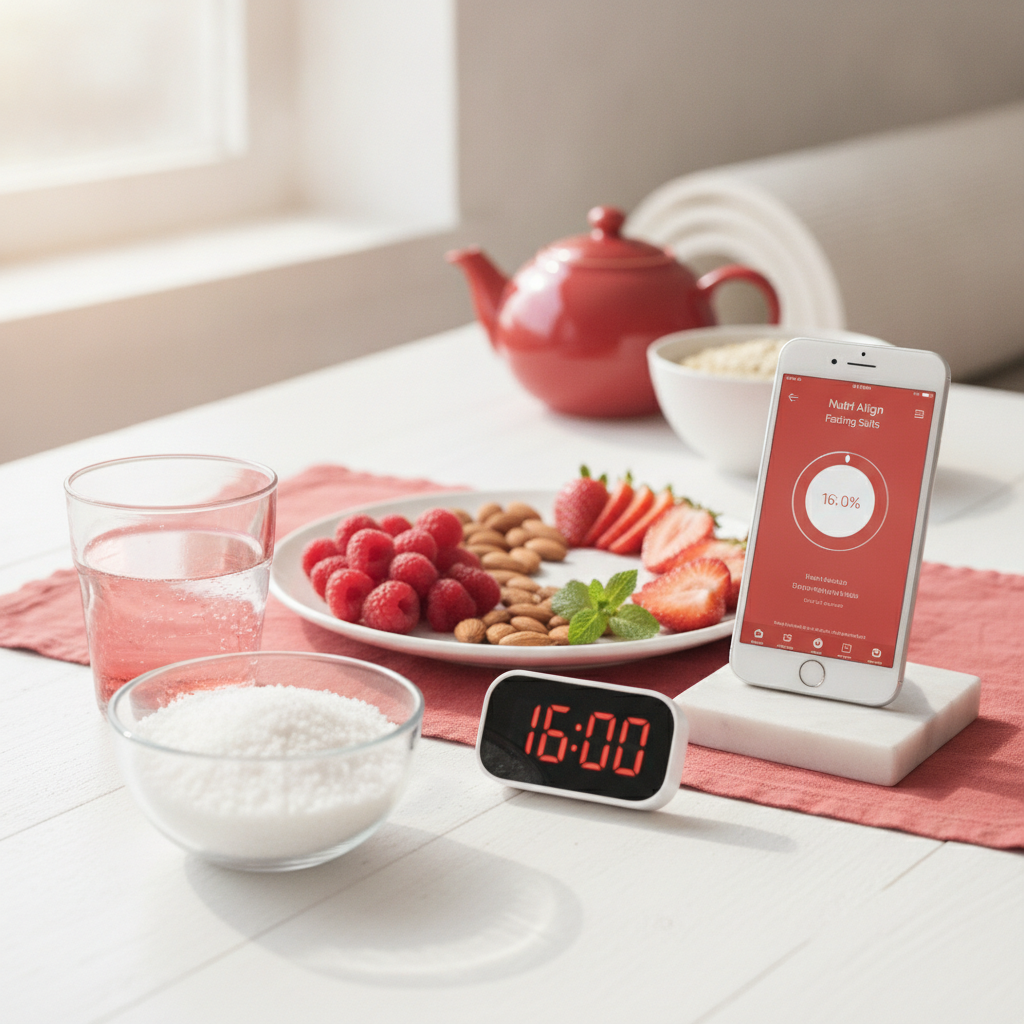
If you have practiced intermittent fasting for more than a week, you already know the paradox: some days you feel clear-headed and energetic deep into a sixteen-hour window, and other days a dull headache, lightheadedness, or restless legs appear by mid-afternoon. People often blame willpower or caffeine. More often, the issue is electrolytes — the minerals your body loses when insulin drops, sodium is excreted, and fluid balance shifts during a prolonged stretch without food.
That is why products in the fasting salts category, including Nutri Align fasting salts and similar electrolyte formulations, have become popular among intermittent fasters. The science behind them is not marketing fluff. Sodium, potassium, and magnesium play essential roles in nerve signaling, muscle contraction, blood pressure regulation, and cellular hydration. When caloric intake stops for many hours, dietary mineral intake stops with it. Water alone can dilute what is left. Understanding this physiology helps you decide whether fasting salts belong in your protocol — and how to use them without undermining the purpose of the fast.
This guide covers the electrolyte science of intermittent fasting, how sodium, potassium, and magnesium behave when you are not eating, practical dosing and timing guidelines, when commercial fasting salts make sense, and how to combine mineral support with a sustainable fasting schedule you actually track.
Why Electrolytes Matter More When You Fast
During normal eating, most people absorb sodium, potassium, and magnesium from meals without thinking about them. Bread, cheese, meat, fruit, leafy greens, nuts, and dairy all contribute. When you compress eating into an eight-hour window — or skip meals entirely on a 5:2 or alternate-day schedule — those dietary sources disappear for long stretches. The kidney, meanwhile, continues regulating fluid and electrolytes in response to hormonal shifts triggered by fasting.
One of the most important shifts involves insulin. When you stop eating, insulin falls. Lower insulin signals the kidneys to release more sodium into the urine. This natriuresis is a well-documented physiological response, not a pathology. It helps explain why many beginners notice frequent urination in the first days of intermittent fasting and why scale weight often drops quickly — much of that early loss is water bound to sodium and glycogen, not pure body fat.
As sodium leaves, water follows. If you compensate by drinking large volumes of plain water without replacing sodium, you can dilute remaining electrolytes further. The result is the constellation of symptoms fasters colloquially call the “keto flu” or “fasting flu”: headache, fatigue, brain fog, muscle cramps, dizziness on standing, and irritability. These symptoms frequently resolve when sodium and other electrolytes are restored, even while the fast continues.
Potassium and magnesium matter for related reasons. Potassium works with sodium to maintain the membrane potential of nerve and muscle cells. Magnesium is a cofactor in hundreds of enzymatic reactions and supports muscle relaxation and sleep quality. Both can become relatively depleted when diet is intermittent, sweat losses increase from exercise, or gut motility and absorption change during longer fasts. Focusing exclusively on water intake while ignoring minerals is one of the most common mistakes new fasters make.
None of this means everyone on a 14:10 schedule needs specialty salts on day one. Short overnight-style fasts often draw enough minerals from the previous evening’s meal. The more hours you add, the more relevant supplementation becomes. Athletes, people in hot climates, those eating very low-sodium diets during their eating window, and practitioners of 18:6, 20:4, or multi-day fasting protocols tend to notice benefits from deliberate electrolyte support sooner than casual 14-hour fasters.
Sodium, Potassium, and Magnesium During a Fast
Thinking about fasting salts as three separate levers — sodium, potassium, and magnesium — is more useful than treating every pink powder as interchangeable. Each mineral has a distinct physiological role and a different risk profile if overdone.
Sodium is the primary electrolyte lost during the early fasting adaptation period. Typical supplemental ranges discussed in fasting communities often fall between one and two grams of sodium per day during fasting hours for people who are symptomatic, sometimes higher for those exercising heavily or following very low-carbohydrate eating windows. Context matters enormously. People with hypertension, kidney disease, or heart failure should not add sodium without medical guidance. For healthy adults experiencing postural dizziness or headaches after thirteen-plus hours without food, modest sodium from salt water, a bone broth sip strategy on extended fasts that allow it, or a measured fasting salt packet can restore comfort quickly.
Potassium is abundant in bananas, potatoes, avocados, and leafy greens during the eating window, but intake drops to near zero during a water fast. Supplemental potassium requires more caution than sodium because excess amounts can affect cardiac rhythm, especially in people taking certain medications or with impaired kidney function. Many commercial fasting salt blends include moderate potassium — often from potassium chloride or citrate — at levels intended to complement diet rather than replace medical supplementation. If you rely primarily on food, prioritize potassium-rich meals when your window opens instead of large supplemental boluses during the fast.
Magnesium deserves special attention for fasters who struggle with sleep, nighttime muscle twitches, or afternoon fatigue. Dietary magnesium from nuts, seeds, dark leafy greens, and legumes can be inadequate even outside of fasting, and absorption varies by form. Magnesium glycinate and citrate are commonly used for bedtime support. Some electrolytes-while-fasting products include magnesium; others leave it to a separate evening dose during the eating window. Either approach works if total intake is adequate and gastrointestinal tolerance is acceptable. Start low, because magnesium can loosen stools when the dose climbs too quickly.
The interplay among these three minerals is why many people prefer a blended fasting salt rather than only table salt. Sodium alone may fix a headache, but a combination that also addresses potassium and magnesium often feels more complete for multi-hour daytime fasts. That is the practical logic behind formulations marketed as Nutri Align fasting salts and peer products in the same category: deliver the core trio in ratios designed for people who are not eating for extended periods.
Fasting Salts, Hydration, and What Does Not Break a Fast
A frequent question is whether electrolytes break a fast. From a metabolic standpoint, minerals without calories do not meaningfully raise insulin or interrupt the fasting state for intermittent fasting goals such as time-restricted eating, metabolic flexibility, or reduced calorie opportunities. Black coffee, plain tea, and mineralized water sit in the same category for most practical protocols. The gray zone appears when products add sugars, maltodextrin, citric acid blends with calories, flavor bases with hidden carbohydrates, or gelatin-rich bone broth that contains protein.
Read labels carefully. A true fasting salt or electrolyte packet for intermittent fasting should be essentially calorie-free. If a scoop lists several grams of carbohydrate or a dessert-like nutrition panel, it is a sports drink in disguise, useful for workouts maybe, but not ideal mid-fast if metabolic purity matters to you. Nutri Align fasting salts and comparable fasting-oriented brands typically position themselves toward zero-calorie mineral support rather than sweetened recovery drinks — which is the right framing for this use case.
Hydration strategy should evolve with your protocol. During a standard daily 16:8 fast, sip water steadily through the morning, add electrolytes if symptoms appear or if you exercise before your eating window, then emphasize mineral-rich foods when you break the fast. During a twenty-four-hour weekly fast, electrolyte support becomes more intentional: plan measured sodium early in the day, keep potassium and magnesium within safe ranges, and avoid the temptation to chug plain water exclusively because thirst feels intense. On multi-day fasts — which belong under medical supervision for many people — electrolyte management is not optional.
What you eat when the window opens also affects how you feel tomorrow. Breaking a long fast with heavily processed, sodium-spiked junk can create pendulum swings in fluid retention and blood pressure sensation. Breaking with protein, vegetables, and measured whole-food sodium often feels smoother. Electrolytes during the fast and nutrient-dense food during the eat form one continuous system, not two unrelated habits.
How to Use Electrolytes With Popular Intermittent Fasting Schedules
Electrolyte needs scale with fasting duration, climate, sweat rate, and diet composition. Align your approach to your schedule instead of copying someone else’s mega-dose from social media.
Daily 16:8 or 18:6. Many people thrive with plain water and coffee during the fast, then get sodium, potassium, and magnesium from meals. If you routinely wake with a headache by hour fourteen, dissolve a measured pinch of salt in water or use half a fasting salt serving mid-morning. Track whether symptoms improve across three to five days before increasing the dose.
20:4 and OMAD. Longer daily fasts remove more mineral intake opportunities. A morning electrolyte drink and careful refeeding become more relevant. Do not wait until you feel awful at hour nineteen; preventative low-dose sodium often works better than emergency catch-up.
5:2 and calorie-restricted fasting days. On low-calorie days you still eat some food, so mineral intake may continue, but the foods chosen are often sparse. Prioritize broths, leafy greens, and modest salt on those days rather than relying solely on powders, unless appetite makes eating difficult.
Weekly 24-hour fasts. Treat electrolytes as part of the plan, not an afterthought. Schedule water with sodium through the middle of the fast, keep potassium conservative unless your clinician advises otherwise, and use magnesium if sleep disruption is a known issue for you during longer fasts.
Exercise while fasting. Training increases sweat losses of sodium and some potassium. If you lift or run in a fasted state, electrolytes before or during the session can preserve performance and reduce post-workout crashes. This is one of the clearest use cases for fasting salts as a product category.
Pair mineral strategy with schedule tracking. Knowing you are at hour eleven versus hour seventeen changes whether dizziness is more likely adaptation or under-fueling. A simple fasting tracker such as Easy Fast shows elapsed time and history so you can correlate symptom notes with actual fasting duration. Easy Fast stores data on your device only — no account, no cloud profile of your fasting habits — which fits a private health practice where mineral experiments and fasting logs stay yours.
Choosing Fasting Salt Products Without Getting Lost in Marketing
The market for fasting electrolytes has grown quickly. Nutri Align fasting salts sit alongside other dedicated fasting mineral blends, general sports electrolytes, Himalayan salt self-mix protocols, and capsule-based magnesium products. Choosing well is less about brand loyalty and more about matching composition to need.
Look for transparent labels that list elemental sodium, potassium, and magnesium amounts — not only compound weights that inflate numbers. Prefer products without added sugar if your priority is staying in a true fast. Consider taste and gastrointestinal comfort; the best formula on paper fails if nausea causes you to abandon fasting entirely. Price per serving matters for daily users more than for occasional weekly fasters.
Homemade options work for many people: a liter of water with a measured amount of high-quality salt, optional potassium chloride under informed guidance, and a separate magnesium supplement at night. Commercial fasting salts trade convenience and pre-balanced ratios for cost. Neither approach is inherently superior. What matters is consistency, safety relative to your medical history, and honest evaluation of symptoms.
Avoid megadosing because a podcast host described dramatic results. Excess sodium raises blood pressure in salt-sensitive individuals. Excess potassium is dangerous for some medication users. Excess magnesium causes diarrhea and can interact with medications. Start conservatively, increase only if needed, and consult a clinician if you have kidney disease, hypertension on medication, heart rhythm history, or pregnancy. Intermittent fasting electrolytes are supportive tools, not medicine.
Also resist the idea that salts replace food quality. No packet can compensate for an eating window built entirely on ultra-processed calories. Use fasting salts to bridge mineral gaps during the fast; use whole foods to restore nutrients when you eat.
Building a Sustainable Electrolyte-and-Fasting Routine
Sustainability beats intensity. The fasters who feel well for months combine a moderate schedule, adequate hydration with minerals as needed, nutrient-dense eating windows, sleep, and simple tracking — not extreme salt water rituals and heroic multi-day feats every week.
A practical routine might look like this. Choose a fasting schedule you can keep five to seven days per week. Log start and stop times so you know your real average duration. Drink water through the fasting window. Add sodium-based electrolytes when you notice headache, lightheadedness, or heavy training days. Emphasize potassium-rich plants and adequate magnesium sources in meals. Reassess every two weeks: if symptoms vanished, keep the lowest effective dose; if they persist, review sleep, caffeine timing, and total calories before endlessly escalating minerals.
Easy Fast supports the tracking half of this system with one-tap start and stop, preset schedules, reminders, and trend charts stored locally on your iPhone. When you review a month of history, you can see whether longer fasting days correlate with the days you needed more electrolyte support — a pattern that is hard to notice from memory alone. Privacy-first tracking means you are not exporting sensitive health behavior to a cloud account simply to know when you last ate.
Finally, keep perspective. Electrolytes and products like Nutri Align fasting salts can make intermittent fasting more comfortable and safer for people who lose sodium quickly or extend their windows. They are not magic weight-loss accelerators. Fat loss still depends on overall energy balance and consistency of the fasting practice. Minerals help you stay in the practice long enough for that consistency to matter.
If you have been struggling with afternoon crashes during otherwise successful fasting weeks, test a structured electrolyte approach for seven days while tracking your fasts. Many people discover that the problem was never that intermittent fasting was “too hard” — it was that water without minerals was incomplete fuel for a body in a longer fed-to-fasted transition.
Frequently Asked Questions
What are Nutri Align fasting salts used for?
Nutri Align fasting salts are an electrolyte product in the fasting salts category designed to supply minerals — typically including sodium, potassium, and magnesium — while you are not eating. People use them during intermittent fasting to reduce headaches, lightheadedness, muscle cramps, and fatigue associated with mineral loss when insulin-driven sodium excretion increases. They are a convenience tool for electrolyte support, not a requirement for every short daily fast.
Do electrolytes break an intermittent fast?
Calorie-free electrolytes generally do not break a fast for practical intermittent fasting goals. Sodium, potassium, and magnesium without carbohydrates or protein will not meaningfully interrupt time-restricted eating benefits. Sweetened sports drinks, caloric flavor bases, and protein-containing broths are different; those can end a strict fast. Always check the label for calories and carbs.
How much sodium should I take while fasting?
There is no universal dose. Many healthy adults with fasting symptoms find relief from roughly one to two grams of sodium distributed through longer fasting hours, but needs vary with sweat rate, climate, diet, and medical history. People with blood pressure or kidney concerns must consult a clinician before adding salt. Start low, evaluate symptoms over several days, and prefer measured amounts over guessing from the shaker.
Can I just use table salt instead of branded fasting salts?
Yes. High-quality table salt, sea salt, or Himalayan salt dissolved in water can address sodium needs. Branded products such as Nutri Align fasting salts add convenience and often include potassium and magnesium in one serving. Homemade sodium works for many; blended formulas help if you want the broader mineral profile without separate supplements.
Should beginners on 16:8 take fasting salts every day?
Not necessarily. Many beginners on 16:8 feel fine with water and mineral-rich meals in the eating window. Introduce electrolytes if you develop headaches, dizziness, or cramps that track with your fasting hours, or if you exercise heavily while fasted. Unnecessary daily megadoses are not better than targeted use.
How does Easy Fast help when I am managing electrolytes?
Easy Fast is a simple intermittent fasting tracker that logs when your fasts start and end so you can correlate symptoms with elapsed hours. Knowing you are sixteen hours in versus eleven hours in changes whether you reach for electrolytes thoughtfully or panic early. The app is free, requires no account, and keeps your fasting history on your device only, which matches a private approach to health data.
When should I avoid fasting salts or high electrolyte intake?
Avoid self-directed high-dose electrolytes if you have kidney disease, are on medications that affect potassium or fluid balance, have uncontrolled hypertension, have a history of heart rhythm problems, or are pregnant — unless your clinician approves a plan. Excess potassium is particularly risky for some people. When in doubt, get medical advice before experimenting with aggressive supplement protocols during fasting.