Time Restricted Eating: A Complete Guide to TRE Fasting
Learn how time restricted eating works, how it differs from calorie counting, and how to choose an eating window that fits your life and goals.
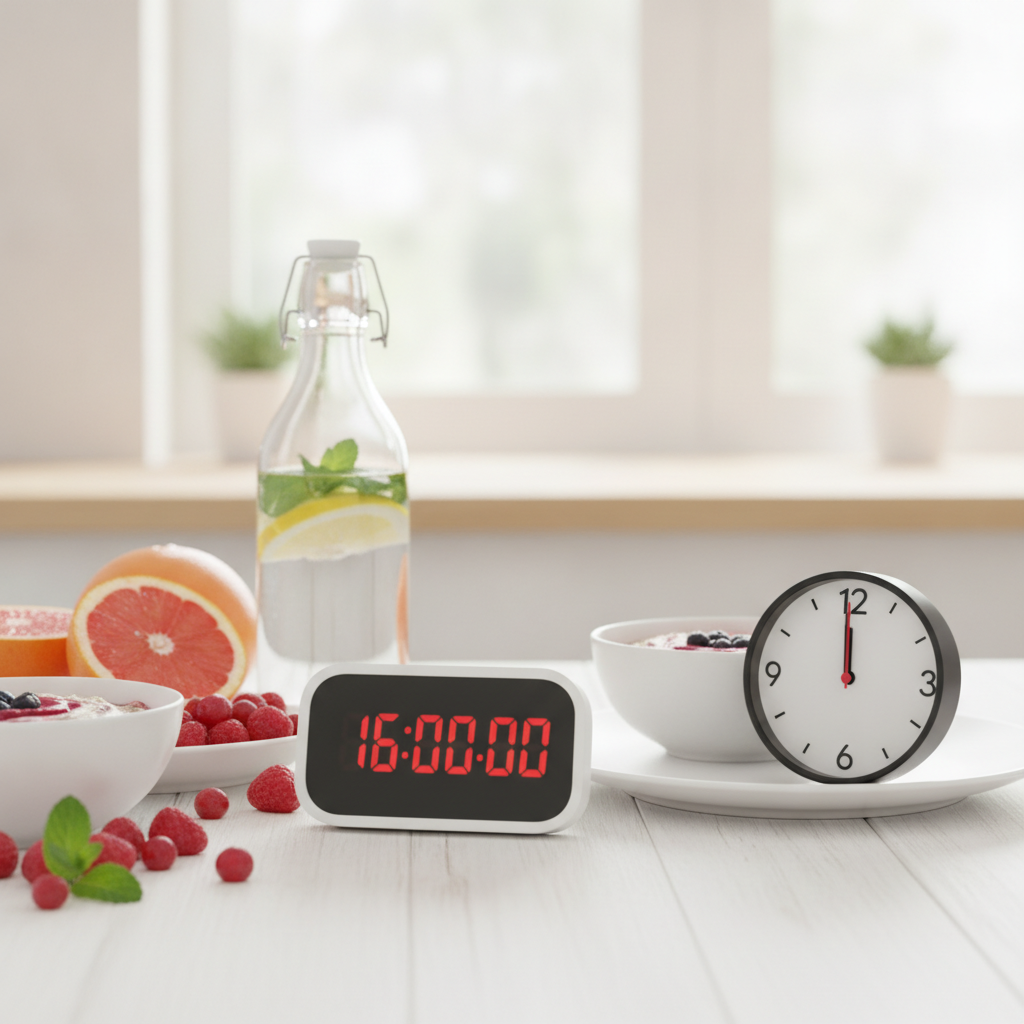
Time restricted eating is one of the simplest ways to structure when you eat without prescribing exactly what sits on your plate. Instead of counting every calorie or eliminating food groups, you confine daily calories to a consistent window—often eight, ten, or twelve hours—and fast the rest of the clock. That single timing rule has become a preferred entry point for people who want intermittent fasting benefits without complicated protocols.
As a clinician who has guided hundreds of patients through metabolic habit change, I value time restricted eating because it respects circadian biology, reduces decision fatigue, and scales from beginners to experienced fasters. This guide explains what TRE is, how it works in the body, how to choose and protect an eating window, and how to track consistency so the practice sticks.
What Is Time Restricted Eating?
Time restricted eating, often abbreviated TRE, is a form of intermittent fasting defined by a fixed daily period in which all caloric intake occurs. Outside that window, you consume zero-calorie fluids only: water, black coffee, and unsweetened tea for most people. The fasting portion is usually overnight plus part of the morning or evening, which makes adherence easier than daytime-only restriction.
Common TRE schedules include 12:12 (twelve hours eating, twelve hours fasting), 14:10, 16:8, and 18:6. The first number is fasting hours; the second is the eating window. A popular real-world example is finishing dinner by 8:00 p.m. and delaying the first meal until noon the next day—classic 16:8 time restricted eating.
TRE differs from traditional calorie restriction diets in emphasis. You still need reasonable food quality and total energy intake to see body composition change, but the primary lever is timing. Many people naturally eat slightly less when snacking hours shrink, yet the protocol itself does not require a set calorie target.
Researchers favor studying TRE because it isolates when people eat from radical changes in macronutrient composition. That makes trial results cleaner to interpret, and it makes the lifestyle easier to teach: pick a window, defend it, and improve meal quality inside it over time.
How Time Restricted Eating Affects Metabolism
Understanding the physiology helps you interpret early hunger waves and avoid quitting before adaptation completes. During a daily TRE fast, insulin falls, glycogen gradually depletes, and the body shifts toward greater fat oxidation. You do not need multi-day ketosis for these shifts to matter; consistent sixteen-hour windows are often enough to improve metabolic flexibility for many adults.
Insulin sensitivity is a recurring theme in TRE research. When meals stop late at night and resume mid-morning or midday, overnight insulin remains lower for longer. Lower average insulin exposure supports more efficient glucose disposal when meals return. People with overweight, prediabetes, or sedentary routines often notice clearer fasting glucose trends after weeks of consistent TRE, though individual responses vary and medical conditions require clinician oversight.
Circadian alignment is equally important. Digestion, hormone release, and cellular repair follow clocks tuned by light and meal timing. Late-night eating collides with melatonin rise and can blunt overnight repair. An earlier TRE window—say 9:00 a.m. to 5:00 p.m. or 10:00 a.m. to 6:00 p.m.—synchronizes food intake with daytime metabolic readiness. Even an 11:00 a.m. to 7:00 p.m. window usually outperforms grazing until midnight for sleep quality and next-day hunger control.
Autophagy and cellular housekeeping processes increase during fuel scarcity. In humans, the precise duration needed for clinically meaningful autophagy remains an active research question. Daily TRE may nudge early pathways, especially when practiced for months rather than days. I mention this carefully because popular media oversells overnight miracles. The honest frame: TRE supports metabolic maintenance; it is not a guaranteed anti-aging protocol.
Hunger hormones adapt with repetition. Ghrelin spikes near habitual meal times. After one to two weeks of the same TRE schedule, many people report that morning hunger fades and focus improves. That adaptation is why window consistency matters more than occasional heroic longer fasts followed by chaotic weekends.
Choosing Your Time Restricted Eating Window
Selecting a window is less about finding the theoretically perfect schedule and more about finding the schedule you will keep for the next year. Start by mapping obligations: work start time, family dinners, exercise, and social patterns.
Early TRE windows (for example 8:00 a.m. to 4:00 p.m. or 9:00 a.m. to 5:00 p.m.) favor circadian alignment and often feel easier for people who wake hungry and dislike late meals. They can conflict with evening social life.
Midday-centered windows (noon to 8:00 p.m., 11:00 a.m. to 7:00 p.m.) are the most common real-world compromise. They skip breakfast or shrink it, protect family dinners, and still deliver a meaningful overnight fast.
Later windows (1:00 p.m. to 9:00 p.m.) help night-shift adjacent lifestyles or people who train late, but finishing close to bedtime can hurt sleep for some. If you use a later window, stop eating at least two to three hours before lights out when possible.
Progress gradually if you currently eat across fourteen or fifteen waking hours. Move from 12:12 to 14:10, then 16:8 over two weeks. Gradual compression reduces headaches, irritability, and premature quitting. Women who notice strong cycle-related hunger changes may keep a slightly longer eating window on higher-demand days while protecting a baseline five-day TRE structure on others—flexibility with intention, not constant improvisation.
Hydration belongs in the plan from day one. Thirst masquerades as hunger. Keep a water bottle nearby during fasting hours. Electrolyte-aware habits (adequate sodium from meals, potassium-rich foods in the window) help more than trendy fasting supplements for most healthy beginners.
What to Eat Inside Your TRE Window
Time restricted eating does not license unrestricted junk food. Compressed windows amplify the impact of each meal. Prioritize protein at every sitting—eggs, fish, poultry, Greek yogurt, tofu, legumes—to preserve muscle and satiety. Add fibrous vegetables and modest complex carbohydrates for energy and digestive regularity. Include dietary fats that you digest well: olive oil, avocado, nuts in measured amounts.
Break the fast gently if your window opens after sixteen-plus hours. A balanced first meal beats a pastry-and-latte spike that leaves you craving more within ninety minutes. Practical openers include omelets with vegetables, yogurt with berries and seeds, leftover protein with salad, or a hearty soup with beans and greens.
Meal frequency inside the window is personal. Two larger meals fit many 16:8 practitioners. Three moderate meals suit longer windows. Constant grazing recreates the all-day insulin profile TRE tries to interrupt, so leave intentional gaps between meals even when the kitchen is “open.”
Alcohol compresses willpower and sleep. If you drink, keep it early in the eating window, cap quantity, and never treat late-night wine as harmless because it “fits” the clock. TRE is timing hygiene; alcohol still has metabolic and recovery costs.
Common TRE Mistakes and How to Fix Them
Inconsistent windows. Sliding start and stop times by three or four hours daily prevents hunger hormone adaptation. Pick a target and allow at most one hour of flexibility for social events.
“Fasting” with cream, juices, or bone broth. Caloric drinks interrupt insulin quiet periods. If your goal is metabolic TRE, keep fasting fluids non-caloric. Save broth and golden lattes for the eating window.
Undereating protein. Rapid weight loss that includes significant lean mass loss is a preventable failure mode. Track protein roughly for two weeks if you suspect you are underfueling.
Ignoring strength training. TRE pairs well with two to three weekly resistance sessions. Fasted light walks are fine; heavy lifting may feel better near a meal. Performance is data—adjust timing rather than abandoning TRE.
Using TRE to mask disordered restriction. Ordeal fasting, guilt after eating, or using windows to punish body size are warning signs. Seek professional support. Healthy TRE feels structured and calm, not punitive.
Skipping medical context. Diabetes medications, pregnancy, breastfeeding, underweight status, and eating disorder history change the risk profile. Time restricted eating is powerful precisely because it changes fuel availability—so involve your clinician when needed.
Tracking Time Restricted Eating for Long-Term Success
Consistency compounds, but memory is an unreliable tracker. Logging when you start and end each fast reveals weekend drift, stress-day early breaks, and progress you would otherwise discount. A visual timer also reduces clock-watching anxiety during the last hungry hour before the window opens.
The Easy Fast app is a simple fasting tracker built for this job: one-tap start and stop, clear elapsed time, schedule presets for common TRE ratios, and history that shows whether your practice is actually consistent. Your fasting data stays on your device—privacy-focused local storage without account theater or unnecessary health-data harvesting.
Review weekly rather than hourly. Ask: Did I hit my target window at least five days? Did sleep improve when I closed the kitchen earlier? Did energy stabilize after week two? Those questions beat daily scale drama. Adjust one variable at a time—window length, meal composition, or workout timing—so you know what worked.
Over months, TRE often becomes identity: you are someone who finishes dinner and waits until the next window. Tools like Easy Fast support that identity by making the invisible pattern visible. When the habit is automatic, you still benefit from occasional log reviews the same way athletes review training journals.
Frequently Asked Questions
Is time restricted eating the same as intermittent fasting?
Time restricted eating is a subtype of intermittent fasting. Intermittent fasting is the umbrella term for patterns that cycle fasting and eating. TRE specifically means limiting calories to a daily clock window with little change required to food rules inside that window. Other intermittent approaches include alternate-day fasting and 5:2 calorie-reduced days.
How many hours should my TRE eating window be?
Beginners often start with ten to twelve eating hours (14:10 or 12:12) and compress toward eight hours (16:8) if goals and comfort allow. Some experienced practitioners use six-hour windows. Longer eating windows are not failures; the best window is the one you maintain with good nutrition and sleep. Extreme compression is unnecessary for many health goals.
Can I drink coffee during time restricted eating?
Plain black coffee and unsweetened tea are generally considered compatible with TRE fasting periods for most healthy adults. Calories from milk, cream, sugar, syrups, and bone broth break a metabolic fast. If coffee with cream is non-negotiable, schedule it inside your eating window rather than rationalizing it as “still fasting.”
Does TRE work if I do not change what I eat?
You may still see improvements from reduced snacking hours and better overnight insulin dynamics, but poor food quality and surplus calories can blunt body composition results. TRE is most effective as timing plus reasonable meal quality—not as permission to eat unlimited ultra-processed food inside a short window.
Is early TRE better than late TRE?
Earlier windows that end several hours before bedtime often align better with circadian research and sleep quality. Later windows can still work if they fit your life and you avoid eating until lights-out. If sleep or morning alertness suffers on a late window, shift the entire schedule earlier by sixty to ninety minutes and reassess for two weeks.
Who should avoid time restricted eating?
People who are pregnant or breastfeeding, children and teens, individuals with a history of eating disorders, those who are underweight, and anyone on medications that require food at specific times should seek medical advice before TRE. People with diabetes need supervised plans because meal timing changes glucose and medication needs.
How long before I notice benefits from TRE?
Hunger adaptation often appears within one to two weeks. Energy stability and digestive rhythm changes may follow soon after. Body composition shifts typically take four to eight weeks of consistent practice alongside adequate protein and movement. Health marker improvements, when they occur, are usually evaluated over months with a clinician—not days.
Time restricted eating succeeds when the window fits your life, meals nourish you, and adherence is tracked honestly. Keep the protocol simple, protect sleep, and use a privacy-minded timer like Easy Fast so consistency—not perfection—becomes your default. If you are ready to put TRE on a clear daily schedule, download Easy Fast and start your next window with one tap.