Zero Fasting App Guide: Features, Tradeoffs, and Simpler Alternatives
Compare the Zero fasting app with simpler private alternatives. Learn features, pricing tradeoffs, privacy questions, and when Easy Fast may be a better fit.
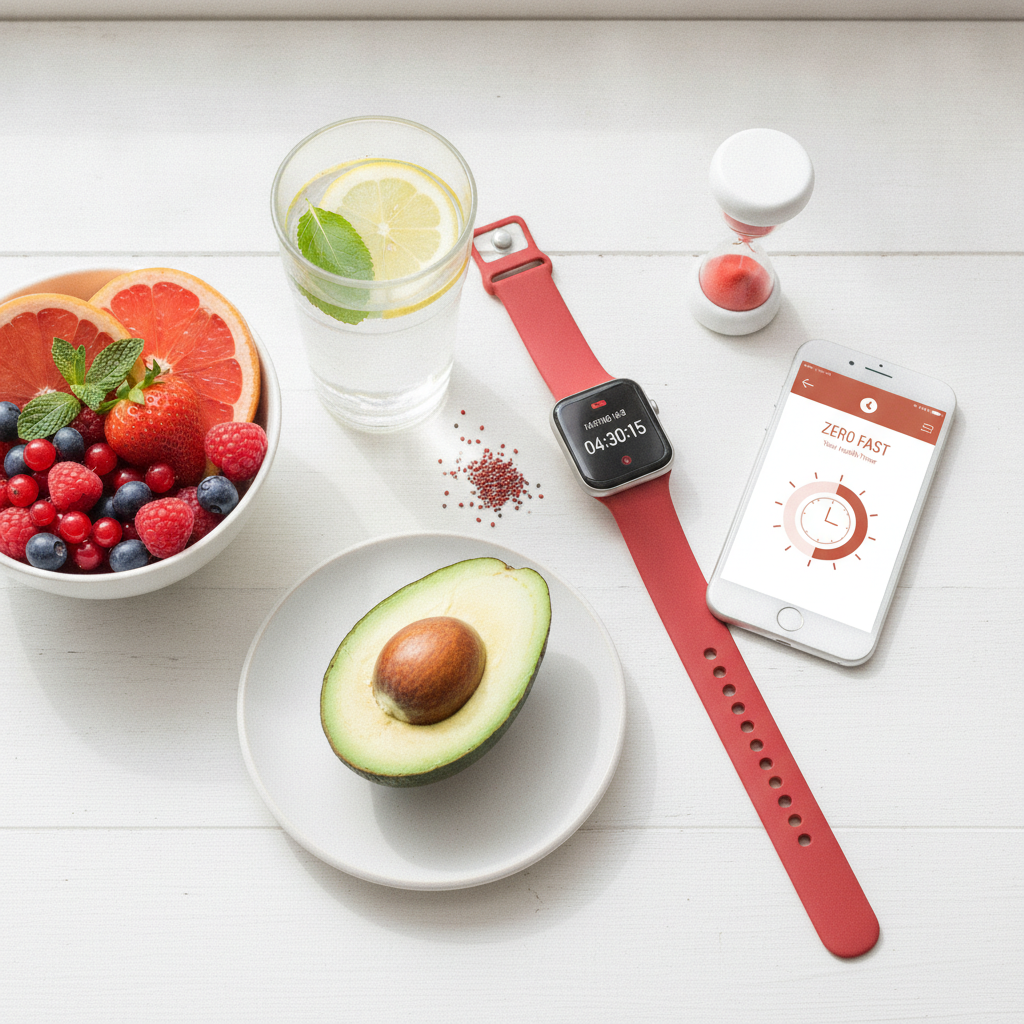
The Zero fasting app helped bring intermittent fasting into mainstream phone culture. For many people, it was the first tool that made fasting windows feel tangible through timers, coaching-adjacent content, and community framing. If you are searching for Zero fasting app reviews, pricing details, or alternatives, you are likely deciding whether a feature-rich ecosystem is worth the complexity—or whether a simpler tracker would help you stick with the habit more quietly.
This guide compares what people typically want from the Zero fasting app experience with what simple alternatives provide. The tone stays fair. Zero popularized useful behaviors for a large audience. That said, not every faster needs an elaborate platform. Many do better with a private, minimal timer that removes friction and subscription pressure. Easy Fast positions itself in that second category: a straightforward iPhone fasting tracker with on-device data and no analytics identity graph around your health habits.
What People Usually Want From a Zero Fasting App Experience
Searchers looking up the Zero fasting app often want more than a stopwatch. They expect preset fasting protocols, progress visualization, education about fasting stages, reminders, and sometimes a sense of being guided. Zero built brand recognition partly through public conversation and founder storytelling, which made intermittent fasting feel culturally legitimate rather than fringe.
Those strengths matter. When you are new, educational content can reduce fear. When you feel alone, community features can offer reassurance. When you enjoy polished product design, a mature app ecosystem can feel motivating. Crediting that contribution is honest. Fasting adherence tools do not have to be enemies of each other.
The same strengths create tradeoffs. Education layers and social or coaching features can become noise once you already know your schedule. Accounts, sync, and product analytics are common in modern consumer health apps generally. Users who want fasting to remain a quiet personal practice may prefer less platform and more timer. Subscription costs for advanced tiers also change the value math when your only daily need is logging a sixteen-hour fast.
A useful evaluation question is: after thirty days, which features did you actually open weekly? If the answer is timer, reminder, and history, you may be paying—financially or cognitively—for modules that no longer serve you.
Feature Comparison Axes That Matter in Real Life
Reliability of the timer is nonnegotiable. Any serious fasting tracker must survive phone restarts and backgrounding without losing the session. Schedule flexibility for 12:12, 14:10, 16:8, 18:6, and custom windows should be easy, not buried. Reminder quality should help you start and stop without nagging through dinner with friends.
History and trends support identity. Seeing completed fasts accumulate is more motivating for many users than reading another article inside the app. Onboarding simplicity predicts whether beginners quit before habit onset. If you must create an account, complete quizzes, and dismiss upgrade screens before your first fast starts, friction has already entered the pathology of inconsistency.
Privacy posture deserves a dedicated evaluation axis. Fasting timelines are health behavior data. Some users are comfortable syncing everything to a cloud profile. Others want local-first storage with no behavioral analytics. Neither group is wrong, but they need different products. Easy Fast is built for the local-first group: no account requirement for core tracking, data on device, and no analytics package watching your fasting patterns. Optional food photo analysis uses OpenAI or Gemini only when you choose that opt-in feature.
Pricing honesty is the final axis. Clear free tiers that still allow unlimited basic tracking earn trust. Feature gates that trap essential history behind subscriptions frustrate users who thought they downloaded a timer. Read current App Store terms carefully because pricing and tiers change over time; do not rely on outdated screenshots from blogs—including older reviews.
Fair Read on Zero Fasting App Strengths and Limits
Strengths commonly attributed to Zero include mainstream familiarity, structured fasting options, educational framing that helped normalize time-restricted eating, and a product surface that feels like a full wellness app rather than a raw clock. For beginners who want guidance narrative and ecosystem features, that can be a good match.
Limits emerge for users who find ecosystems heavy. Notifications, content upsells, and social framing can distract from the quiet repetition that long-term fasting requires. People who already understand 16:8 may not need continuous coaching content. Privacy-conscious users may prefer an architecture that never creates a detailed cloud autobiography of their eating windows. Cost sensitivity is also real; intermittent fasting itself is free, so many users resent paying indefinitely for basic timing.
None of this requires smearing Zero. Mature markets should contain multiple winners. The right question is fit. If Zero keeps you consistent and you accept its product model, continue. If you find yourself resisting the app more than the fast, simplify.
Why Simple Private Alternatives Help Many People Stick Longer
Habit research is blunt about friction. Every extra step before the desired behavior lowers completion rates. A simple fasting app that opens to a one-tap start button respects that truth. Easy Fast leans into that design: start, stop, see progress, review history, get reminders. The workflow matches what most intermittent fasters do daily.
Privacy reduces a second friction: psychological surveillance discomfort. Some users feel subtly judged by gamified dashboards and social comparisons. A private on-device log avoids that theater. Your streak is for you. Your missed Tuesday is for you. That calmness helps during stressful weeks when public performance energy vanishes.
Cost clarity also improves adherence. Easy Fast is positioned as a free, simple alternative for people who primarily need tracking rather than a coaching platform. When your fasting practice is stable, money and attention can go toward groceries and sleep, not another subscription stack.
Feature envy still traps people. They install a comprehensive app “just in case” they want coaching, recipes, wearables, and community later. Meanwhile, the home screen becomes cluttered and the core timer feels secondary. Decide your actual use case for the next ninety days. Most people need consistency, not optionality.
How to Migrate From a Complex Fasting App to a Simple Tracker
If you currently use the Zero fasting app or another rich platform and want to try a quieter setup, export or screenshot any history you care about first. Then choose a simple schedule in the new tool matching your existing window so muscle memory remains. For three weeks, resist adding complementary trackers. Run one timer only.
On day one in Easy Fast, set your preferred schedule, enable the reminders that match kitchen open and close times, and start the fast after your next last meal. Ignore perfection about prior streaks. Continuity forward matters more than importing every past session.
Compare subjective load after fourteen days. Are you opening the app less but completing more fasts? Do you feel less annoyed? Has subscription anxiety dropped? Those answers tell you more than feature checklists. Keep the complex app if you truly use community and education weekly. Switch if the simple tracker produces cleaner adherence.
Download Easy Fast from the App Store. Confirm for yourself that data stays on-device for core tracking and that optional AI food photo tools, if used, are initiated by you rather than forced into the primary flow.
Decision Framework: Choose Zero Ecosystem or Minimal Tracker
Choose a fuller ecosystem such as Zero when you are a beginner who wants embedded education, you enjoy multi-feature wellness apps, you like community energy, and you accept account-based product models.
Choose a minimal private tracker such as Easy Fast when you already know your protocol, you want one-tap logging, you care about local data and no analytics, you dislike upgrade friction, and your failure mode is overcomplexity rather than under-information.
Some people keep both briefly during transition. That is fine for a week. Long term, pick a primary timer so reminders never conflict. The App Store should serve your nervous system, not agitate it.
Also reassess yearly. Tools that served your first month may not serve your tenth. Intermittent fasting success eventually looks boring: same window, good meals, decent sleep, walking, lifting. The best app at that stage is usually the least theatrical one that still shows the clock accurately.
Privacy, Accounts, and Health Data Realism in 2026
Modern fasting apps sit inside a broader phone economy where identity graphs, crash analytics, and engagement telemetry are common product defaults. That does not make every developer malicious. It does mean users should read privacy policies and decide what tradeoffs they accept for health routines. Fasting end times, streak lengths, and night eating patterns are intimate behavioral signals.
If you want maximum simplicity, prefer apps that can function fully without an account. Local storage keeps your history on the handset you already protect with a passcode or biometrics. Cloud sync helps families sharing devices or people who switch phones often; it also expands the data surface. Neither architecture is universally superior. Explicit preference is what matters.
Easy Fast takes a clear position for people who choose local-first: core fasting logs stay on-device, analytics are not part of the product posture, and only optional food photo analysis reaches out to OpenAI or Gemini when you intentionally use that feature. Compare that model against any feature-rich platform, including Zero, using your own risk tolerance rather than brand loyalty.
Also separate marketing screenshots from day-thirty reality. An app can look educational in the store yet feel noisy when you only needed a timer before lunch. Do a deliberate two-week audit: count how often you open non-timer screens. If the answer is near zero, you have evidence to simplify.
Cost, Free Tiers, and the True Price of Consistency
Intermittent fasting works without paid software. Apps are convenience layers. Paying can be rational when a product uniquely keeps you adherent. Paying becomes irrational when you are funding features you hide, resent, or ignore. Calculate yearly subscription cost against whether your fasting window adherence actually improved.
Free alternatives should still be evaluated for dark patterns: constant upgrade modals, locked history, or ads that interrupt the end-of-fast moment. Easy Fast aims at the opposite emotional experience—open, tap, done—so the economic and cognitive price stays low. That positioning is intentional for adults who already have enough subscriptions.
If you love Zero’s broader ecosystem and the cost feels fair for your use, that is a coherent choice. The market is allowed to contain both a popular feature-rich fasting app and a minimal private timer. Your job is to pick the one that makes Tuesday night easier, not the one that wins internet debates.
Frequently Asked Questions
What is the Zero fasting app known for?
Zero is widely known as a mainstream intermittent fasting tracker that helped popularize timed eating with polished product design and educational framing. Exact features, plans, and pricing evolve over time, so verify details on the current App Store listing rather than trusting any single static review.
Is Easy Fast trying to replace Zero for everyone?
No. Easy Fast is a simpler, privacy-focused alternative for people who mainly need clean tracking. Users who thrive on richer ecosystems can reasonably stay where they are. Fit beats brand tribalism.
Does a fasting app need community features to work?
No. Community helps some personalities and distracts others. Consistent timers, reminders, and personal history are enough for many long-term fasters. Choose based on whether social features increase or decrease your adherence.
How does Easy Fast handle privacy compared with typical health apps?
Easy Fast stores fasting data on your device and does not run analytics on your health behavior. There is no requirement to build a cloud identity for core tracking. Optional food photo analysis contacts OpenAI or Gemini only when you opt in for that task.
Can I use a simple alternative if I learned fasting with Zero?
Yes. Knowledge transfers. Keep the same eating window you already tolerate and move the logging workflow to the simpler app. Your physiology responds to meal timing, not to which brand owns the timer.
What should I look for in zero fasting app reviews before switching?
Look for comments about reliability, reminder quality, pricing fairness, and whether people still use the app after the novelty phase. Heavy praise for marketing content matters less than six-month adherence stories.
Where can I get Easy Fast?
Easy Fast is available on the Apple App Store. Install it, start one schedule, and judge after two weeks whether simplicity improves your consistency.
The Zero fasting app earned a place in fasting culture by making timed eating feel approachable at scale. Respect that, then choose the tool that matches your current season. If you want a quieter, private, one-tap tracker for ordinary 16:8 days, Easy Fast is built for exactly that job—without asking your habit to become a platform lifestyle.