18:6 Fasting Guide: Shorter Windows, Stronger Structure
Learn how 18 6 fasting works, who should try it after 16:8, what to eat in six hours, common mistakes, and how to track 18:6 intermittent fasting consistently.
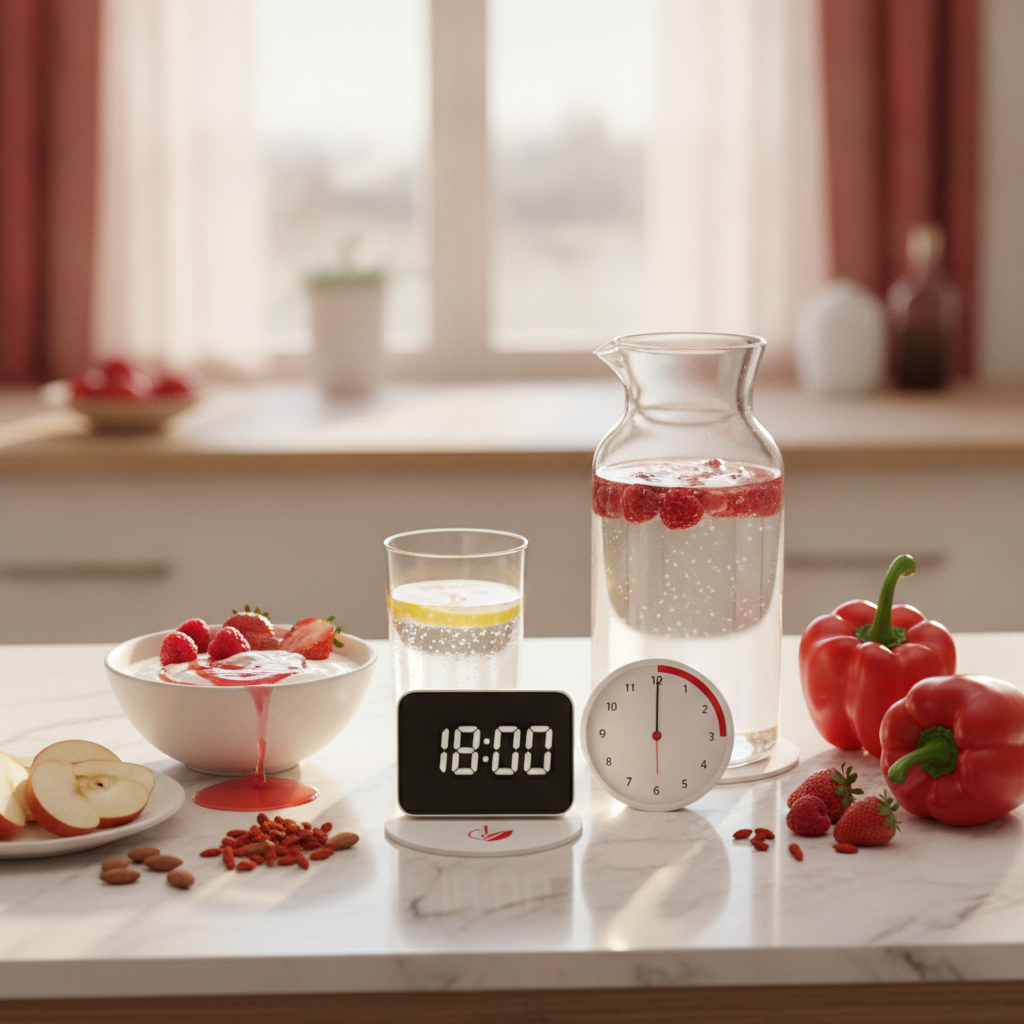
Eighteen hours of fasting. Six hours of eating. That is the entire 18:6 fasting protocol — a tighter form of time-restricted eating that sits between popular 16:8 and more extreme schedules like 20:4 or OMAD. People usually arrive at 18 6 fasting after mastering a wider window and wanting fewer late snacks, a clearer appetite signal, or a slightly larger daily deficit without counting every calorie.
This guide explains how 18:6 intermittent fasting works, who it suits, how to place the six-hour window in real life, what to eat so micronutrients and protein still add up, and how to avoid the classic mistake of shrinking the window while also shrinking meal quality to nothing. If you want a structured next step beyond 16:8 — not a reckless jump to one meal a day — 18:6 deserves a careful look.
What Is 18:6 Fasting?
18:6 fasting means you consume caloric foods and drinks only during a six-hour eating window each day, then fast for the remaining eighteen hours. Non-caloric beverages such as water, black coffee, and unsweetened tea are typically allowed during the fast, following standard wet intermittent fasting practice.
Example schedules:
- Eat 12:00 p.m. to 6:00 p.m.; fast 6:00 p.m. to 12:00 p.m.
- Eat 1:00 p.m. to 7:00 p.m.; fast overnight through late morning
- Eat 10:00 a.m. to 4:00 p.m. for an earlier circadian-friendly window
Because the eating window is short, most people fit two meals, or two meals plus a small snack, into 18:6. Trying to force three large traditional meals into six hours often feels rushed; redesigning meal structure is part of adopting the method.
18:6 belongs to time-restricted eating. It is usually more demanding than 16:8 because two extra fasting hours often remove a meal opportunity or late snack entirely. That can be useful for fat loss and appetite discipline — and too aggressive if you are still adapting to basic overnight fasting.
Benefits People Seek From 18:6 Fasting
Stronger appetite rhythm. With only six open hours, random grazing has less room to hide. Many people report that hunger becomes more predictable after adaptation.
Potential for easier calorie control. Fewer hours does not guarantee a deficit, but it often reduces occasions to overeat compared with a long evening window.
Metabolic continuity with intermittent fasting research. Longer daily fasts extend the period of lower insulin exposure relative to all-day eating. Individual biomarkers still depend on food quality, sleep, and genetics.
A bridge toward advanced schedules. If you later explore 20:4, having succeed at 18:6 is a saner progression than leaping from unrestricted eating to OMAD.
Benefits are not automatic. Poor sleep, binge eating inside the window, or inadequate protein can erase the upside. Treat 18:6 as a tool that rewards consistency and nutrition sense.
Who Should Try 18:6 — and Who Should Wait
Good candidates: Adults already comfortable with 16:8 for several weeks; people whose late-night snacking sabotages progress; those who naturally prefer two hearty meals; experienced intermittent fasters seeking a defined fat-loss phase.
Wait or choose wider windows: Complete beginners; people who feel shaky or highly stressed on 16:8; athletes in heavy fueling blocks who need more eating opportunities; anyone with a history of disordered eating; pregnant or breastfeeding individuals; those with medical conditions requiring clinician-guided meal timing.
If 16:8 still feels brittle, stabilize there. Extra fasting hours on an unstable base produce burnout more often than breakthroughs.
How to Transition From 16:8 to 18:6
Do not subtract two hours overnight unless adaptation has been easy.
Week strategy: Trim thirty to forty-five minutes from the eating window every few days until you reach six hours. Example: 8-hour window → 7.5 → 7 → 6.5 → 6.
Choose which edge to cut. Most people trim the morning side (delay first meal) or the evening side (finish dinner earlier). Evening compression improves sleep for many; morning delay fits people who already skip breakfast comfortably.
Protect the last meal’s protein. Closing the kitchen earlier should not mean dinner becomes toast. Keep protein high so overnight fasting hours feel steadier.
Track the new schedule explicitly. When windows change, brains get fuzzy about start times. The Easy Fast app supports custom intermittent fasting schedules including 18:6-style windows. Start the timer after your last bite, use reminders as the window approaches, and review whether you actually completed eighteen-hour stretches. Data stays local on your device — private tracking for a private health habit.
What to Eat in a Six-Hour Window
With 18:6 fasting, meal density matters.
Meal one (break-fast): Protein + plants + optional carbs. Examples: Greek yogurt bowl with fruit and seeds; eggs and vegetables with potatoes; chicken salad with fruit on the side. Avoid pastry-led break-fasts that spike and crash inside a short window.
Meal two (main dinner or late lunch): Larger plate — protein, vegetables, smart carbs for training, and intentional fats. This meal often carries more of your daily energy.
Optional snack: Fruit and cottage cheese; protein shake; jerky and an apple — only if needed to hit protein or manage training.
Daily protein targets still apply. Hitting 1.6–2.2 grams per kilogram of body weight may be ambitious in six hours for large individuals, which is why concentrated protein sources and optional shakes earn a place. Micronutrients need vegetables and fruit deliberately — you no longer have five eating occasions to cover greens accidentally.
Hydrate across the eighteen fasting hours. Front-load water in the morning if your first meal is at noon or later.
Sample 18:6 Days for Different Lifestyles
Office schedule (12–6): Lunch bowl at 12:15; snack at 3:00 if needed; dinner at 5:30; kitchen closed 6:00; black coffee in the morning.
Early chronotype (10–4): Brunch at 10:00 after morning workout; second meal at 3:00; long evening free of food, which some find brilliant for sleep and others find socially hard.
Family dinner priority (1–7): Light first meal at 1:00; family dinner at 6:30; finish by 7:00. This is one of the most sustainable 18 6 fasting placements for parents.
Train near meals when intensity is high. Easy walks fit anywhere.
Mistakes That Make 18:6 Miserable
Jumping from no schedule to 18:6. Earn it through 14:10 and 16:8.
Under-eating. A short window is not a starvation contest. Fuel enough to sustain work, mood, and muscle.
Liquid calories as a cheat inside the fast. Creamy coffee drinks convert 18:6 into accidental grazing.
Weekend erasure. Dramatic Friday-to-Sunday window expansion is common. Allow an hour of flexibility without abandoning eighteen-hour averages entirely. Tracking helps you see the weekly truth.
Ignoring strength training. Pair 18:6 fasting with lifting so weight changes skew toward fat rather than muscle loss.
Using 18:6 to punish. If the shorter window increases anxiety around food, widen again. Sustainability beats aesthetic intensity.
Troubleshooting Hunger, Energy, and Plateaus
Hunger peaking at previous breakfast time: Expect habit waves for one to two weeks. Water, tea, short walks, and busy mornings help. If hunger remains debilitating past adaptation, the schedule may be too aggressive now.
Low energy in workouts: Move training closer to meals, add carbs in the window, or temporarily widen to 16:8 on heavy training days.
Weight stall: Check weekend adherence, liquid calories, and protein. Tighten food quality before tightening to 20:4. More extreme is not automatically more effective.
Sleep issues: Avoid caffeine late in the fasting morning if it lingers; finish the eating window earlier; keep rooms dark and cool.
Reassess every two to four weeks. Some people use 18:6 only for an eight-week phase, then return to 16:8 for maintenance — an intelligent periodization approach.
Social Events and Travel on 18:6
A six-hour window collides with life sometimes — weddings, client dinners, travel layovers. Decide your flexibility policy before the invite arrives. Reasonable options include shifting the entire window later by one to two hours, widening to 16:8 for a single day, or keeping 18:6 and choosing the social meal as one of your two eating occasions. What usually fails is improvising angrily in the moment and then swinging between restriction and excess the next day.
Travel tips: keep portable proteins for the window (jerky, yogurt where available, ready pouches), prioritize sleep on the plane or train, and restart your standard 18:6 the first full day at the destination. Do not stack jet lag, alcohol, and a brand-new tighter fast on the same weekend.
Maintenance After an 18:6 Phase
If you used 18 6 fasting for fat loss, plan the exit. Widening gradually to 16:8 while holding protein and training steady helps prevent rapid regain from unstructured snacking. Keep tracking for at least two weeks of the transition so you notice window creep early. Some people permanently prefer 18:6; others prefer it as a seasonal tool. Either path is valid when chosen on purpose with data from your log rather than from online purity contests.
When maintenance feels shaky, return to fundamentals before adding intensity: sleep seven or more hours when you can, walk daily, hit protein at both meals, and reopen the tracker every morning without fail. The people who keep 18:6 results are rarely the ones who suffered the hardest in week one. They are the ones who patiently built a six-hour window that still included real food, real life, and honest measurement. If your current window fights your job or family rhythm every single day, redesign placement — noon to six versus one to seven is not a moral question, only a logistics one.
Finally, remember that 18:6 is still wet intermittent fasting. Drink water throughout the day. Use plain black coffee if it helps. Skip dehydrating extremes marketed as upgrades. Long-term progress is measured in months of completed windows, and a simple private app makes those months visible when motivation fluctuates week to week.
Frequently Asked Questions
Is 18:6 fasting better than 16:8?
Not universally. Eighteen-six is stricter and may increase calorie control for people who snack at night. Sixteen-eight is easier for beginners and social dinners. Better means better adherence and better health markers for you, not a higher fasting-hour flex.
How many meals should I eat during 18:6?
Most people do best with two meals, optionally one snack. One meal (OMAD-like) inside six hours is possible but makes protein and micronutrients harder. Start with two meals.
Can I drink coffee during 18 6 fasting?
Black coffee and unsweetened tea are generally fine during the eighteen-hour fast. Calories in milk, sugar, or syrups break the fast. If you need a latte, place it in the eating window.
Will 18:6 fasting cause muscle loss?
Not inevitably. Muscle loss risk rises when protein is low, training stops, and the calorie deficit is huge for too long. Prioritize protein in the six-hour window and keep resistance training.
How do I track 18:6 intermittent fasting?
Use a fasting timer with custom durations. Easy Fast lets you start and stop with one tap, set reminders, and review history stored on your device so your 18:6 adherence stays private and visible to you alone.
Who should not do 18:6 fasting?
Beginners who have not adapted to shorter fasts, pregnant or breastfeeding people, those with eating disorder history, underweight individuals, and anyone with medical constraints around meal timing should avoid unsupervised 18:6. When uncertain, ask a clinician and prefer milder windows.
Can I exercise in a fasted state on 18:6?
Light exercise is commonly fine. High-intensity sessions may feel better during or soon after the eating window until you are well adapted. Listen to performance and recovery rather than forcing fasted personal records.
18:6 fasting is a precise, shorter-window version of intermittent fasting that rewards preparation. Transition from 16:8 gradually, place the six hours where your life actually happens, eat protein-dense meals, and measure adherence instead of guessing. When you want that measurement without noise or cloud accounts, open Easy Fast — a simple on-device fasting tracker — start your eighteen-hour clock after the last bite, and let a clean daily structure do the quiet work of consistency.