Is Fasting Good for You? Evidence-Based Benefits and Limits
Explore whether fasting is good for weight, metabolic health, longevity, and daily energy. See evidence-based benefits, limits, risks, and practical takeaways.
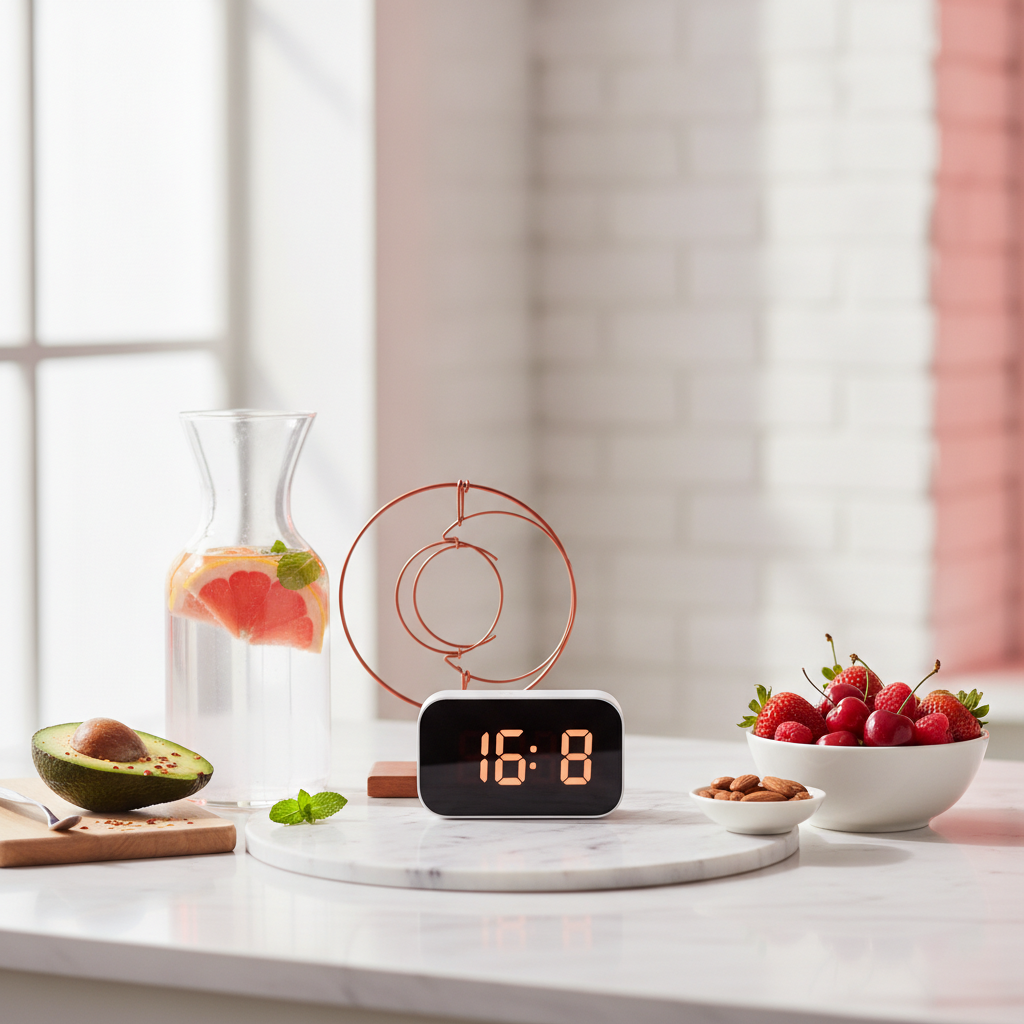
People type “fasting is good” into search bars because they want a clear verdict. Is intermittent fasting genuinely beneficial, or is it another wellness fad wrapped in biological jargon? The honest evidence-based answer is nuanced: fasting can be good for many healthy adults when practiced as time-restricted eating with adequate nutrition, and it can be inappropriate or harmful for others. Benefits depend on the protocol, the person, and what “good” means—weight, glucose markers, convenience, longevity speculation, or mental relationship with food.
This guide sorts popular claims into better-supported findings, promising but incomplete science, and overreach. You will leave with a practical framework for deciding whether fasting is good for your goals, how to practice it sanely, and how to track the only outcomes that matter in your real life.
What “Fasting Is Good” Can Reasonably Mean
In everyday language, saying fasting is good usually refers to intermittent fasting benefits such as easier calorie control, reduced night snacking, improved routine, and for some people, improvements in body weight or metabolic markers. It may also refer to subjective outcomes: feeling less bloated, clearer mornings, or fewer decisions about constant meals.
In research language, benefits are measured as changes in weight, waist circumference, fasting glucose, insulin, blood pressure, lipids, inflammatory markers, and adherence versus control diets. Results vary across study designs. Time-restricted eating often produces modest weight loss similar to continuous calorie restriction when calories are matched, which still supports the idea that fasting can be good as a structure that helps people eat less without meticulous counting.
Convenience is an underrated outcome. If a twelve- or sixteen-hour overnight fast removes chaotic grazing and frees mental bandwidth, that lifestyle benefit is real even when lab biomarkers move only modestly. Health behaviors that you can maintain beat theoretically superior plans that collapse in week two.
Conversely, fasting is not automatically good if it increases binge-restrict cycling, wrecks training, disrupts sleep, or aggravates medical conditions. The same tool can build health or erode it depending on context. Maturity is matching the tool to the person.
Evidence-Aligned Benefits You Can Take Seriously
Weight management support: Multiple trials and reviews suggest intermittent fasting can help reduce body weight for many adults with overweight, largely by helping create an energy deficit. Fasting is good for weight loss when it improves adherence to lower intake. It is not exempt from energy balance. People who feast massively inside short windows may see little change.
Metabolic marker improvements in some groups: Studies in people with overweight or insulin resistance sometimes show improvements in insulin sensitivity, fasting insulin, or related markers with time-restricted eating. Effects are not universal and usually accompany weight change. Fasting should not replace prescribed therapy for diabetes without clinician involvement.
Behavioral simplification: Reducing eating hours can reduce opportunities for ultraprocessed snacking, late-night calories, and mindless intake during screen time. That behavioral channel is one of the strongest practical reasons fasting feels “good” in daily life.
Circadian alignment potential: Earlier eating windows that avoid late-night meals may support sleep and metabolic rhythms for some adults. This is a promising area, though individual schedules and shift work complicate one-size advice. If fasting helps you stop eating at midnight, that alone can feel transformative.
Training and body composition when paired wisely: Intermittent fasting paired with high protein and resistance training can support fat loss while preserving muscle for many people. Fasting alone without protein and lifting is a weaker body-composition plan.
Treat longevity and deep autophagy claims more cautiously. Animal data and mechanistic hypotheses are interesting; durable human lifespan proof from popular intermittent fasting regimens is not a settled consumer claim. You can practice fasting for nearer-term benefits without needing immortality marketing.
Limits, Risks, and When Fasting Is Not Good
Fasting is less appropriate for pregnant or breastfeeding people, children and adolescents outside medical care, those with underweight or malnutrition, and people with active eating disorders. Individuals on glucose-lowering medications and those with significant chronic disease need medical guidance before changing meal timing.
Adverse effects can include irritability, headache, constipation, sleep disruption, concentration issues, binge urges, and menstrual changes in some women when energy availability falls too low. Extended multi-day water fasting adds further risk and is a different category from daily intermittent fasting.
Social and psychological costs count. If fasting isolates you from family meals or becomes a rigid moral identity, the net wellness effect can turn negative even when the scale drops. A good health practice expands your life functioning, not only shrinks measurements.
Evidence quality has limits too. Some studies are short, some populations are homogeneous, and some adherence in free-living conditions differs from research settings. Saying “fasting is good” as a universal slogan outruns the data. Saying “fasting can be a useful structure for many adults” matches reality better.
How to Capture the Upside With a Practical Protocol
If you want the benefits that make fasting feel good, start with overnight time-restricted eating: 12:12 or 14:10 for a week or two, then 16:8 if desired. Keep protein high. Include plants and fiber. Hydrate. Lift weights. Walk. Sleep. These foundations determine whether fasting becomes a success story or a cranky two-week experiment.
Choose an eating window that protects your most important social meal. Measure success with weekly average weight, waist, energy, training logs, and adherence percentage. Continue for eight to twelve weeks before declaring personal verdict.
Avoid stacking extreme low calories with extreme fasting hours. The combination raises dropout and muscle loss risk. Also avoid using fasting to punish weekend eating. Compensation cycles undermine the calm routine that makes intermittent fasting sustainable.
Track the schedule. Intentions drift. The Easy Fast app makes benefits measurable by showing completed fasts and timing streaks. Data stays on your device with no analytics profiling your health behavior. Optional food photo analysis via OpenAI or Gemini appears only if you opt in. The app supports the boring consistency that research outcomes actually depend on.
Interpreting Popular Claims Without Hype or Cynicism
Claim: fasting melts fat while you sleep regardless of diet quality. Reality: timing can help, diet quality and calories still matter.
Claim: fasting cleanses toxins. Reality: your liver and kidneys already handle detoxification. Fasting is not a mystical purify ritual.
Claim: everyone should skip breakfast forever. Reality: breakfast skipping is one way to build a fasting window, not a moral law. Early windows can also be excellent.
Claim: fasting is good for everyone because humans evolved that way. Reality: evolutionary storytelling is not individualized medicine. Modern medication and disease contexts matter.
Claim: if fasting feels hard, you are doing it wrong. Reality: early adaptation is often hard. Persistent severe symptoms mean adjust or stop and seek advice.
Balanced literacy lets you use fasting without joining a cult or dismissing useful tools.
A Thirty-Day Test to Decide If Fasting Is Good for You
Days one to ten: install a simple window, keep meals satisfying, track every fast in Easy Fast, and note sleep and mood daily. Days eleven to twenty: stabilize and add two strength sessions weekly if cleared for exercise. Days twenty-one to thirty: review averages. If adherence exceeded eighty percent and you feel functionally better or measurements moved toward your goals without red flags, fasting is likely good enough to continue. If life quality fell, adjust the window or choose a different nutrition strategy.
Bring medication lists and symptom logs to medical visits when relevant. Personalization beats slogan adherence.
Download Easy Fast on the App Store to run the test with clean private tracking. The question “is fasting good” becomes empirical for your body rather than rhetorical on the internet.
Fasting Versus Diet Quality: Why Both Matter
A recurring finding in nutrition research is that dietary pattern quality predicts health outcomes powerfully. Vegetables, legumes, adequate protein, minimally processed foods, and fiber-rich carbohydrate sources remain foundational whether you eat in eight hours or twelve. Fasting that merely concentrates junk food into a shorter window is unlikely to deliver the metabolic story people hope for when they say fasting is good.
Think of intermittent fasting as a calendar overlay on a plate pattern. The overlay can reduce excess energy intake and late snacking. The plate pattern supplies micronutrients, satiety, and muscle support. If forced to prioritize one upgrade for a person eating chaotic ultraprocessed food all day, either change helps; combining both helps more.
Alcohol illustrates the dual requirement cleanly. Ending intake at 7:00 p.m. is useful, yet nightly wine inside the window can still stall fat loss and sleep. Fasting does not cancel energy from drinks. People who see strong benefits usually clean both timing and beverage calories.
Restaurant culture can coexist with benefits. Choose windows that include the social dinner, order protein-forward plates, and keep dessert intentional. The question is not whether fasting forbids joy. The question is whether your average week still points toward your health targets.
Mental Health, Stress, and the Feeling That Fasting Is Good
Subjective well-being matters. Some people feel calmer with fewer food decisions. Others feel preoccupied with the clock. If fasting increases anxiety, irritability with family, or obsessive checking, it may not be good for you even if weight trends down. Mental health is a health outcome.
Stress load modulates success. During intense work deadlines or caregiving surges, widen the window rather than quitting forever. Flexible continuation preserves identity without demanding perfection under strain. That flexibility is often what makes fasting good across years instead of only across a challenge month.
Body image motives deserve honesty. Fasting used primarily to shrink into an unrealistic ideal can slide into harm. Fasting used to support energy regulation, medical nutrition goals under supervision, or sustainable fat loss with strength training tends to be psychologically safer. Intention shapes outcome.
Community messaging can distort expectations. Influencers may present extreme protocols as the only serious path. Evidence-aligned practice is usually moderate time-restricted eating, not competitive deprivation. Choose boring effectiveness.
Who Sees the Most Practical Benefit in Daily Life
People who snack late at night, drink caloric beverages across long evenings, or feel decision fatigue from constant grazing often see outsized lifestyle benefits. Busy professionals who want a default kitchen-close time gain structure without elaborate meal plans. Individuals who already cook decent meals may mainly need a timer and lights-out rule for the pantry.
People seeking athletic peak performance in high-volume sports may find aggressive fasting less helpful than careful fueling. People with highly social midday and evening obligations may prefer early or late windows customized carefully rather than copying a generic noon-to-eight template.
Your personal “fasting is good” verdict should include labs when relevant, function at work, training quality, relationship ease around meals, and sustainability. A private tracker like Easy Fast helps the sustainability metric by making adherence visible without public pressure.
Frequently Asked Questions
Is fasting good for weight loss?
It can be. Intermittent fasting often helps people reduce calorie intake and lose weight, especially when protein, sleep, and activity support the process. Results depend on overall energy balance and adherence, not on the timer alone.
Is fasting good for gut health?
Some people feel less bloated with fewer late meals and less constant grazing. Evidence for broad microbiome claims is still developing. Severe GI disease needs clinician guidance before timing experiments.
Are fasting benefits mainly from calorie reduction?
Often a large share of benefits tracks with reduced energy intake and weight change. Timing and circadian factors may add independent effects for some people. Both pathways can make fasting feel worthwhile.
Is fasting good if I already eat a healthy diet?
It can still help by simplifying schedule and reducing night calories, but if your diet, weight, labs, and energy are already excellent, fasting is optional. Do not break what works.
Can fasting be good long term?
Yes for many adults who use moderate time-restricted eating as a stable lifestyle. Long-term success looks flexible enough to handle illness, travel, and celebrations without binge-restrict trauma.
Who should ignore “fasting is good” messaging?
Anyone with eating disorder risk, pregnancy, certain medical conditions, or clinician advice against time-restricted eating should prioritize individualized care over viral benefits lists.
How do I practice fasting benefits without overcomplicating tools?
Use a simple private tracker like Easy Fast for timing, eat nutrient-dense meals in your window, and review progress monthly. Avoid turning fasting into a second full-time job of optimization.
So is fasting good? It can be—especially as intermittent fasting that improves structure, supports a calorie deficit when needed, and fits your medical context. It is not magic, not mandatory, and not universally safe. Run a careful personal experiment, protect nutrition quality, track honestly, and keep the practice only if your life and health markers agree.